
Millions of homeowners turn to home services aggregators like Angi, Houzz, Yelp, and Thumbtack to get work done, with speed, quality, and guarantees.
But the aggregation business model requires strong marketing and PR efforts to build the brand and create demand. When someone searches for home services, they’ll often go to Google Search, ask a friend, remember a brand, or turn to ChatGPT and AI search.
In Google Search, users are increasingly seeing Google’s own text ads, local service ads, and map ads dominate the SERPs for high-intent keywords. Growing purely via SEO and organic has long been a limited game, and growing brand and PR, while building for AI search is the new meta.
Marketing leaders and managers of home services marketplaces and aggregation companies know they need to grow links and land PR coverage – at a steady clip. Digital PR for home services is a reliable way to build smart data studies, data visualizations, surveys and other creative approaches that help land coverage.
The example campaigns here exemplify some of our favorite types of digital PR frameworks. If you’re building content in home services, like HVAC, lawn care, pest control, remodeling, trade software, or similar, these ideas show what’s working and worth repeating. We hope these examples spark new ideas for how you can stand out in a space where most competitors are still publishing seasonal blog posts.
What Works Best for Home Services Digital PR?
- Location-based rankings are still a favorite. If a reporter can instantly find their city in your data, you’ve already won half the pitch.
- Annual reports build lasting authority. Publishing once is a campaign. Publishing every year turns it into an industry reference point that compounds links and search visibility.
- Proprietary data strengthens credibility. If the dataset comes from your platform or internal operations, competitors can’t replicate it and that originality strengthens both PR and rankings.
- Workforce and cost stories widen the audience. Pricing stories drive homeowner interest, while workforce narratives open doors to business, economic, and national reporters.
- Lifestyle hooks make home services more shareable. Tying your data to trends people already care about like interior design, gardening, and pickleball helps the story travel beyond trade publications.
- The strongest assets support both PR and SEO. If it earns headlines today and ranks (or gets cited by AI) tomorrow, it’s not just a PR hit. It can become a long-term organic growth driver.
1. LawnStarter – Best Cities for Urban Gardening
Type of Campaign: Multi-metric city ranking
LawnStarter consistently pushes beyond “how to mow better” content and into data-driven rankings with cultural relevance. Its Best Cities for Urban Gardening study blends city metrics tied to gardening access, outdoor space, and livability to rank metros across the U.S. It’s lawn care adjacent but strategically so. The report taps into sustainability, food culture, and urban living narratives all at once.
Here’s what they do best:
- Combine multiple city metrics into a defensible ranking.
- Tap into urban sustainability narratives.
- Create shareable city-based competition.
- Build evergreen ranking frameworks.
2. Houzz – 2025 U.S. Houzz Bathroom Trends Study
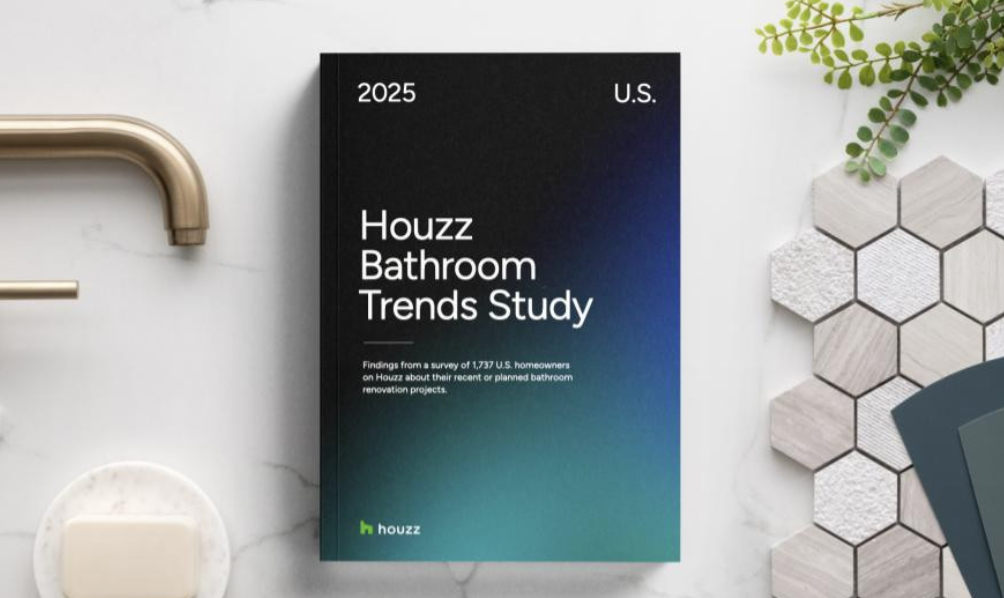
Type of Campaign: Annual consumer trends report
Many people looking to make a big change in their home love browsing through the photo archive of home renovation ideas from Houzz. And so, we naturally trust them to know what’s up when it comes to things like bathroom trends. This study highlights that, digging into bathroom renovation priorities and spending patterns using consumer survey data.
Here’s what they do best:
- Make trend reports visual and media-friendly.
- Tie design shifts to homeowner spending behavior.
- Refresh yearly to dominate SERPs for “bathroom trends.”
- Provide clear angles for shelter, business, and local outlets.
3. Modernize – 2025 Homeowner Insights Report

Type of Campaign: Large-scale consumer survey
Modernize sits at the messy, high-intent part of the renovation journey, when homeowners are researching, comparing, and deciding. That vantage point gives them access to behavioral insight most brands can’t see. Their 2025 Homeowner Insights Report draws on 150,000+ homeowner responses to unpack not just what people are renovating, but why and how they research before making decisions. It’s renovation psychology at scale.
Here’s what they do best:
- Leverage survey volume as authority.
- Break down motivations into digestible story angles.
- Make research behavior a search-driven topic.
- Position themselves as consumer insight leaders.
4. Fixr – 2026 Interior Design & Color Trends Report

Type of Campaign: Expert industry survey
Fixr has built its reputation on cost guides and renovation transparency, so when it asks industry professionals what’s next in design, people listen. Its 2026 Interior Design & Color Trends Report surveys experts across renovation and design fields to forecast where aesthetics are heading. Instead of guessing what homeowners want, it asks the people actually doing the work, and that subtle shift makes all the difference.
Here’s what they do best:
- Survey professionals, not just homeowners.
- Lead with trust. The report includes a “Why can you trust us?” informational button that provides another layer of credibility to the report.
- Publish a forward-looking, predictive report.
- Blend visual inspiration with statistics.
5. GreenPal – Lawn Care Trends 2026: The Zip Codes and Cities Growing the Fastest
Type of Campaign: Proprietary geo-data ranking
GreenPal operates like a lawn care marketplace, which means it sees demand patterns at the zip-code level in real time. In its Lawn Care Trends 2026 report, the company ranks the fastest-growing zip codes and cities for lawn care demand using proprietary platform data. It turns what could be backend operational data into a localized growth story — the kind regional reporters love.
Here’s what they do best:
- Use proprietary service demand data.
- Publish granular geographic rankings.
- Tie growth to migration and housing shifts.
- Create endless pitch angles by region.
6. Lawn Love – Best Cities for Playing Pickleball
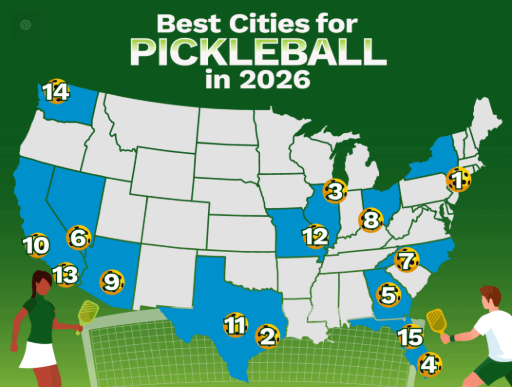
Type of Campaign: Geo-lifestyle ranking study
Pickleball may not scream “lawn care,” but Lawn Love understands that outdoor lifestyle is part of the same ecosystem. Its Best Cities for Playing Pickleball ranking evaluates metros based on courts, weather, and recreation access. By aligning with a culturally hot topic, Lawn Love expands its press potential beyond home services and into lifestyle and sports media without losing brand adjacency. The coverage of this study ranged from local tourism outlets and university news to national headlines and local accolades.
Here’s what they do best:
- Tie brand adjacency to trending topics.
- Rank cities for instant localization.
- Blend recreation data with weather metrics.
- Capture lifestyle + sports media.
7. HomeAdvisor – Homeowner Happiness Index
Type of Campaign: Evergreen survey data hub
HomeAdvisor has been collecting homeowner survey data for years, and instead of publishing one-off reports, it aggregates that insight into a centralized hub. The result is less of a splashy campaign and more of a reference library covering renovation costs, hiring behavior, and spending trends. It’s designed as much for journalists and researchers as it is for homeowners comparing projects.
Here’s what they do best:
- Centralize surveys into a long-term authority hub.
- Structure data for easy citation.
- Cover cost + behavior (two strong angles).
- Build an evergreen reference asset.
8. Thumbtack – Future of Skilled Trades Report
Type of Campaign: National workforce survey
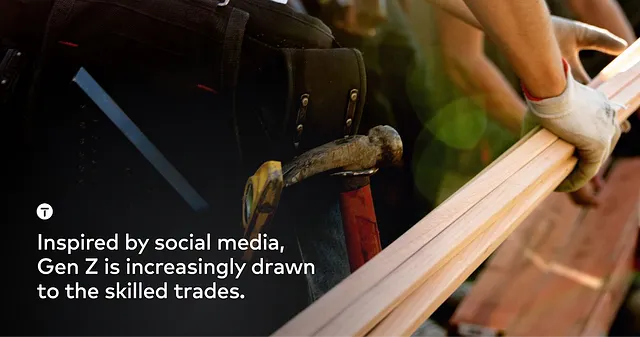
Thumbtack connects consumers with skilled professionals, so it has a front-row seat to the labor conversation shaping home services. Its Gen Z & Skilled Trades Survey explores how social media is influencing interest in trade careers. Rather than focusing on homeowner behavior, it shifts the lens to workforce supply expanding the narrative from renovation spending to the future of skilled labor.
Here’s what they do best:
- Expand beyond homeowners into labor narratives.
- Tap into generational tension headlines.
- Align with national trade shortage discussions.
- Bridge consumer + B2B press coverage.
9. Terminix – Pest Capital USA 2025
Type of Campaign: Proprietary city ranking
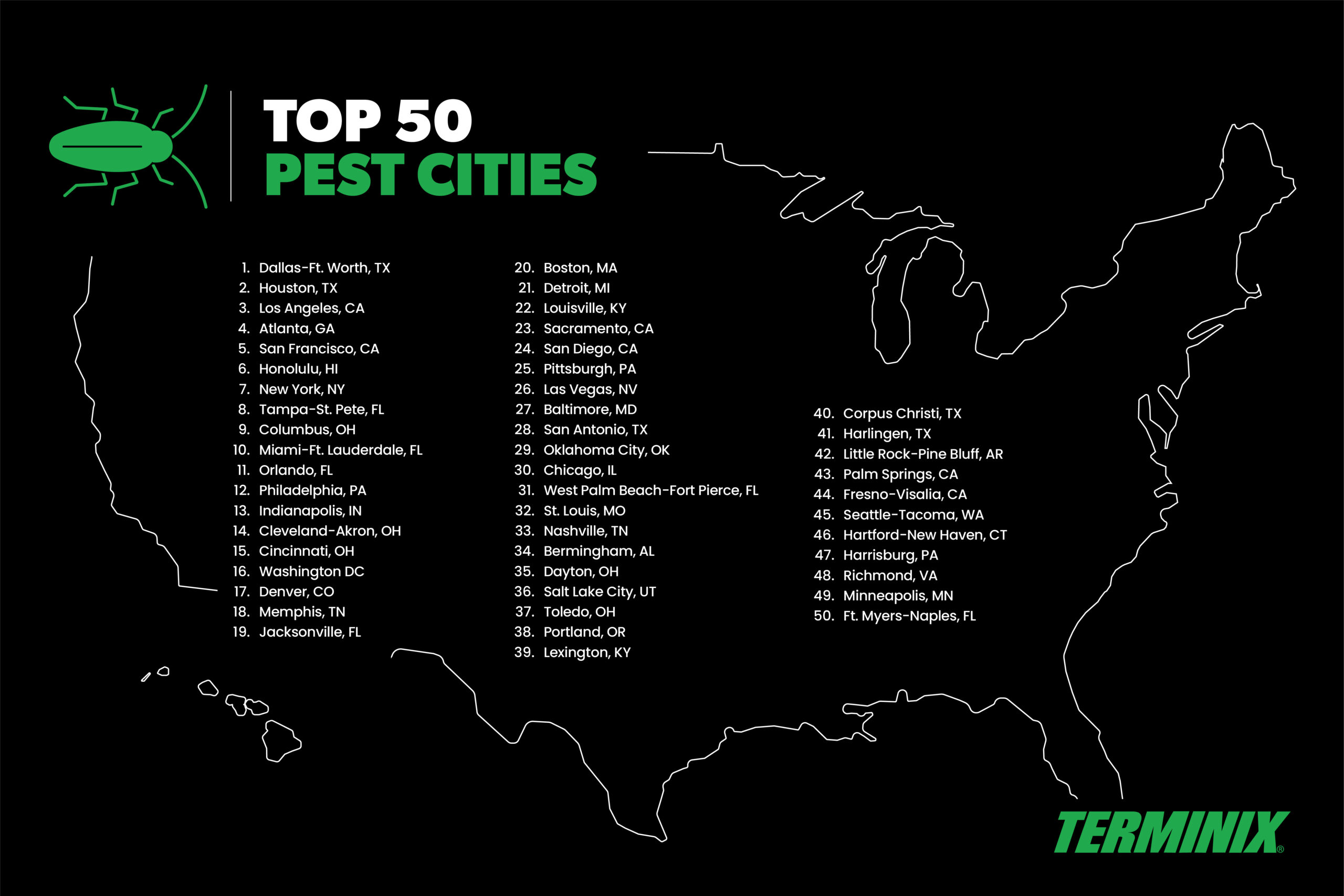
Terminix sees pest trends before most homeowners realize they have a problem. That operational visibility becomes headline fuel in its Pest Capital USA 2025 ranking, which names the most pest-infested cities using proprietary service data. The framing is bold, competitive, and media-ready turning routine service data into an annual ranking franchise. It’s simple, competitive, and instantly headline-ready.
Here’s what they do best:
- Turn service data into annual rankings.
- Use bold, media-friendly naming (“Pest Capital USA”).
- Create predictable recurring coverage.
- Offer city-by-city talking points.
Conclusion
The best home services digital PR examples don’t just publish reports. They build recurring data franchises, localize aggressively, and frame service data as economic, cultural, and competitive stories.
If you want help turning a flagship asset into distributed coverage + search demand, reach out. We’d love to build something reporters (and Google and AI tools) can’t ignore.
Frequently Asked Questions
Why does digital PR work so well for home services SEO?
Digital PR strengthens search engine optimization (SEO) because it earns high-quality, editorial backlinks from trusted publications instead of relying on manual link building. For a home services business — whether HVAC, plumbing, roofing, or electrical — authority and trust directly impact the ability to rank in local search results, including platforms like Yelp.
When a campaign earns coverage, it improves:
- Domain authority and organic rankings
- Visibility in Google Business Profile and map results
- Branded search demand
- Referral traffic from high-intent homeowners
Unlike isolated marketing efforts, digital PR amplifies your entire home services marketing strategy, supporting content marketing, local SEO, and even pay-per-click (PPC) performance.
What types of digital PR campaigns perform best for home services companies?
The highest-performing campaigns for home services companies combine data, geography, and clear value for homeowners.
Top formats include:
- City or state rankings (e.g., most expensive HVAC repair markets)
- Cost trend reports tied to labor or seasonal demand
- Proprietary service data studies
- Interactive tools or calculators
- Survey-based homeowner insights
Rankings work especially well because they unlock local media coverage across multiple service areas. That means stronger brand awareness, more backlinks, and more opportunities to convert potential customers.
The best campaigns integrate with broader digital marketing strategies, including email marketing, social media marketing, and follow-up automation via CRM.
How does digital PR support local SEO and Google Business Profile visibility?
Local SEO depends on authority, relevance, and prominence. Digital PR improves all three.
When your service business earns mentions and links from credible sites:
- Your brand appears more trustworthy in local search.
- Your Google Business Profile gains credibility signals.
- Branded searches increase, improving local pack performance.
- You attract more online reviews and testimonials.
Search engines evaluate brand reputation across the web. Digital PR strengthens those off-site signals in ways traditional marketing channels cannot.
Are rankings better than surveys for lead generation?
Rankings typically generate more local media pickup, which helps local businesses and multi-location service companies scale visibility.
Surveys, however, provide emotional hooks and broader national narratives that attract tier-one publications.
The most effective marketing campaigns blend:
- Data-driven rankings for scalable local coverage
- Survey insights for storytelling and authority
- Clear CTAs that drive homeowners toward booking or requesting a quote
When paired with optimized landing pages, strong calls-to-action, and visible phone number placement, both formats contribute to measurable lead generation.
Does proprietary data outperform third-party data?
Yes — when credible and transparent.
Proprietary data from HVAC repairs, plumbing call-outs, or seasonal service demand differentiates your brand in crowded markets. Journalists and AI systems prefer unique insights over recycled statistics.
However, to build trust, you must:
- Clearly explain the methodology
- Provide context and limitations
- Present structured, high-quality visuals
Proprietary datasets also create recurring opportunities for content marketing, internal linking, and ongoing optimization.
How does digital PR impact AI search and generative engine optimization (AEO)?
AI-driven search tools prioritize:
- Frequently cited domains
- Structured statistics
- Recognizable entities
- Consistent topic authority
Digital PR increases the probability that your brand is referenced in AI-generated answers because your content is cited by reputable publications.
This goes beyond traditional search engine optimization. It positions your company as an authoritative source across digital ecosystems — including AI summaries, featured snippets, and voice search.
We dive into the topic here: Digital PR for SEO, AEO, and AI Search
How long does it take to see SEO impact from digital PR?
Media coverage and backlinks often occur within weeks of launch. Ranking improvements typically follow within 4–12 weeks, depending on competition and domain strength.
The larger impact — improved brand authority, higher local rankings, and AI citation probability — compounds over multiple campaigns.
Digital PR is not a short-term tactic. It’s a long-term marketing strategy for sustainable growth.
How does digital PR support your broader marketing plan beyond SEO?
Digital PR isn’t just a rankings play; it’s a reputation engine that strengthens your entire marketing ecosystem.
For home services providers, trust is the deciding factor. When your brand is featured in credible media outlets, that means you’re doing the work to get your brand seen and known before your ideal customer even makes a buying decision. That credibility can be leveraged across:
- Website design (adding “As Seen In” sections to lift conversion rates)
- Social media platforms (turning press coverage into shareable authority content)
- LinkedIn (building partnerships and positioning leadership as experts)
- Paid search campaigns (improving ad click-through rates through brand recognition)
- Local community marketing (strengthening word-of-mouth and referral networks)
This kind of visibility supports your target audience at every touchpoint. A homeowner who has seen your brand cited in the media is more likely to trust your estimates, leave positive reviews, and refer you to neighbors.
It also re-engages past customers and reinforces loyalty among satisfied customers, making retention and referral growth more cost-effective than constantly acquiring cold leads.
In short: SEO helps people find you. Digital PR helps them choose you and improves conversion rates across your entire online presence.
Updates Log:
- Apr 3, 2026: Light updates throughout, clairifed intro
- First published Feb 23, 2026




Leave a Reply