
What Works Best for Human Resources Digital PR
- Use data only your brand can own. Brands like Indeed, Ashby, BambooHR, ZipRecruiter, and JobLeads all tap into data tied to their own products or audiences. That makes their stories easier to trust.
- Build reports you can repeat. One study might get attention, but a recurring report, like ZipRecruiter’s New Hire Survey or Ashby’s Talent Trends, becomes something people expect and cite.
- Tie your story to real-life work tensions. The strongest angles connect to pay, hiring, burnout, career growth, return to office, trust, and opportunity.
- Keep the human angle front and center. HR stories work best when they show what trends actually mean for employees, employers, and teams.
- Don’t overlook trade coverage. For HR brands, a mention in HR Dive, HR Executive, or HR Review can matter more than a broad consumer hit.
1. Indeed – Skill Set, Match
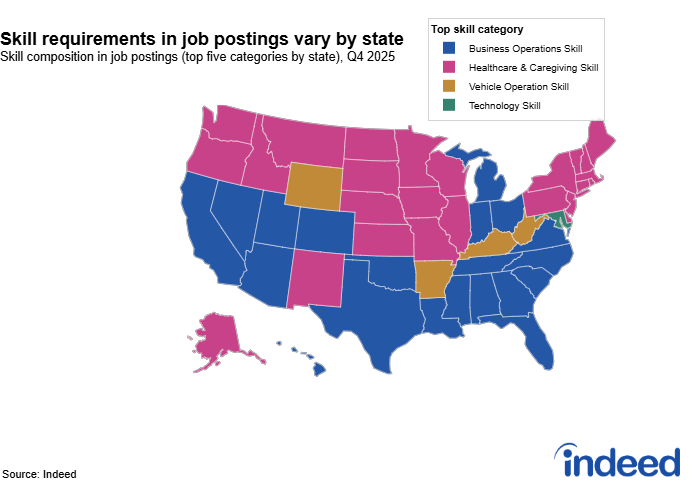
Type of Campaign: Proprietary labor-market data study
Indeed uses its biggest advantage well: a massive pool of proprietary data.
The campaign looks at how skills show up in job postings and resumes, helping explain where employer demand and candidate supply do or don’t line up. That makes the study useful beyond HR. Job reporters can use it to talk about the market. Business reporters can use it to talk about hiring gaps. Career reporters can use it to help workers understand which skills are actually in demand.
What works well:
- Use massive owned data to explain labor-market demand.
- Turn job posting and resume data into a skills-gap story.
- Give reporters a clearer way to talk about hiring mismatch.
- Make workforce trends useful for both employers and job seekers.
- Own a topic Indeed is uniquely positioned to explain.
2. ZipRecruiter – ZipRecruiter’s New Hire Survey
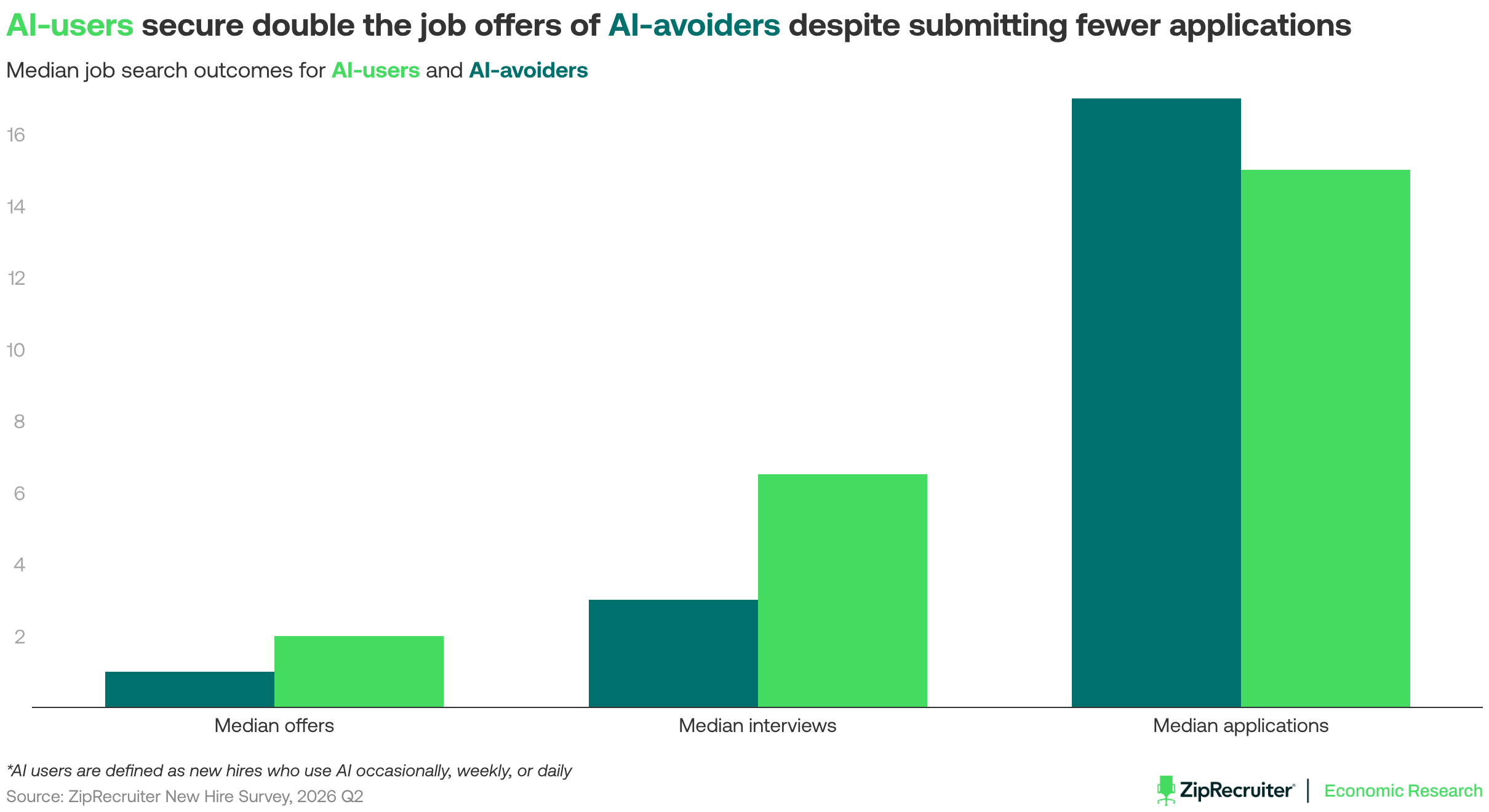
Type of Campaign: Recurring job seeker survey
ZipRecruiter’s New Hire Survey tracks what job seekers experience once they actually land a role, from job search length to pay, confidence, and workplace expectations.
The data is spotlighted and visualized to make it not just easy to understand the big takeaways, but instantly shareable too with social-friendly data visuals. Plus, it’s quarterly, meaning reporters have a source for fresh data they can revisit throughout the year instead of a one-off snapshot.
What works well:
- Build a recurring survey to track hiring sentiment.
- Use new hires as a direct signal of what the labor market feels like.
- Give career and business reporters fresh stats to revisit.
- Turn worker sentiment into a benchmark employers can watch.
- Connect hiring trends to real job seeker experience.
3. Ashby – The State of Startup Hiring
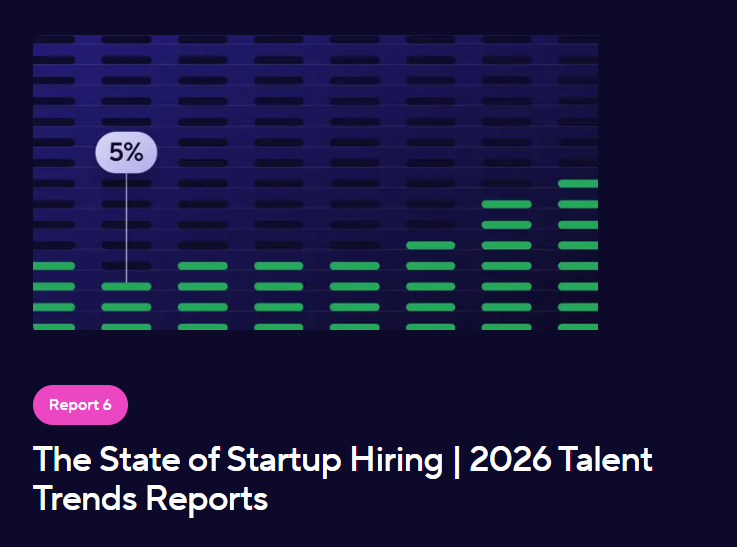
Type of Campaign: Product data benchmark report
Ashby turns its product data into a benchmark for one of the most closely watched corners of the labor market: startups.
The report looks at how startup hiring is changing, giving founders, recruiters, investors, and business reporters a clearer view of what early-stage companies are doing with headcount. Startup hiring is often treated as a signal of broader business confidence, and this campaign positions Ashby as the go-to authority on the topic. Because Ashby sits inside the hiring workflow, its data can help reporters move past founder anecdotes and show what is actually happening across startup recruiting pipelines.
What works well:
- Turn product data into a startup hiring benchmark.
- Give founders and recruiters data they can compare against.
- Make startup headcount a signal of business confidence.
- Serve HR, tech, startup, and investor media with one report.
- Own a niche where Ashby has direct visibility.
4. BambooHR – More Applicants, Fewer Hires
Type of Campaign: Hiring trends data story
This campaign from BambooHR highlights that hiring isn’t just hard for job seekers; HR teams are having a hard time too.
Employers may be flooded with applications, but that does not mean hiring is easier. The report gives a voice to the struggles of application overload, hiring delays, and the mismatch between candidate volume and actual fit for HR and business leaders. It is a useful PR angle because it takes a problem recruiters face every day and turns it into a headline anyone can understand: more applicants are not solving the hiring problem.
What works well:
- Turn hiring friction for internal teams into a clear story.
- Show why more applicants do not always help.
- Provide data showing that more candidates do not equal easier hiring.
- Give journalists a reference point to explain hiring bottlenecks.
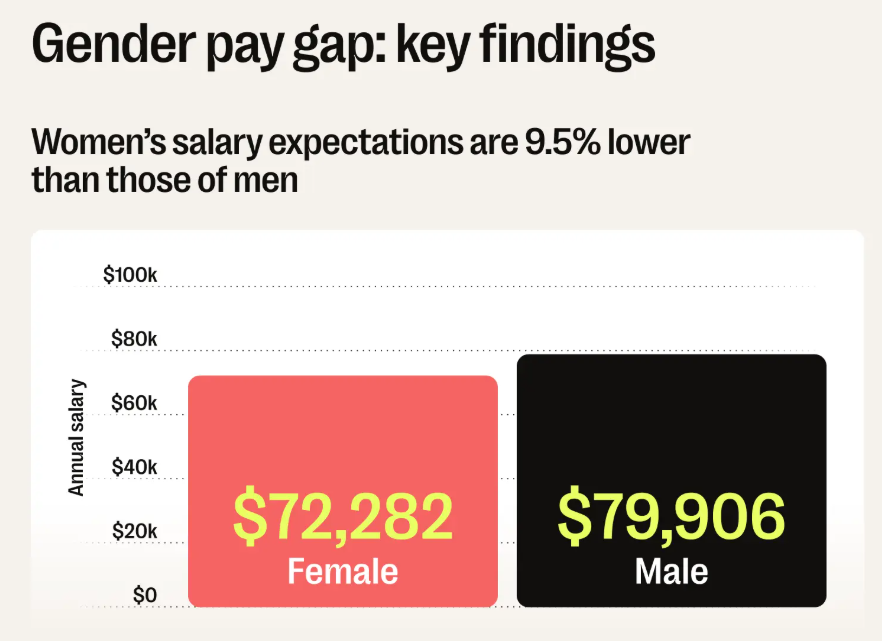
5. JobLeads – Gender Pay Gap Starts With What Women Expect to Earn
Type of Campaign: Workplace equity data story
JobLeads takes a familiar workplace issue and looks at it from a new lens: what women expect to earn and how those expectations may shape salary outcomes. That behavioral framing gives the pay gap conversation a more specific entry point, especially for career, workplace, and gender equity reporters.
What works well:
- Use behavioral data to reveal a hidden cause.
- Reframe the pay gap in terms of salary expectations.
- Make compensation inequality feel specific and measurable.
- Give career reporters a practical negotiation angle.
- Connect personal expectations to workplace inequity.
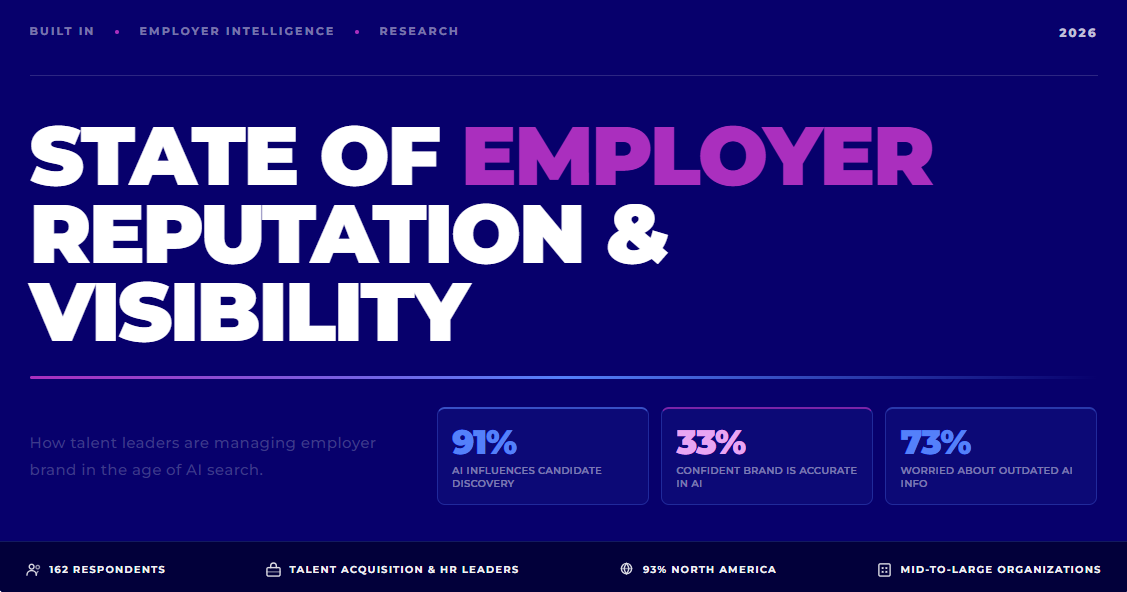
6. Built In – State of Employer Reputation and Visibility
Type of Campaign: Employer branding and AI visibility report
Built In connects employer branding to a newer workplace question: how companies show up in AI-driven discovery.
The report looks at reputation and visibility at a time when job seekers aren’t just browsing job boards or company pages. They’re also using search, social platforms, and AI tools to figure out which employers are worth considering. That AI angle gives Built In a fresh take on employer branding, and gives journalists a reason to cover company reputation as a discovery problem, not just a recruiting one.
What works well:
- Connect employer branding to AI discovery.
- Make company visibility a talent acquisition story.
- Show how job seekers find and evaluate employers now.
- Give HR and recruiting teams a reason to rethink brand presence.
- Tie a familiar HR issue to a newer technology shift.
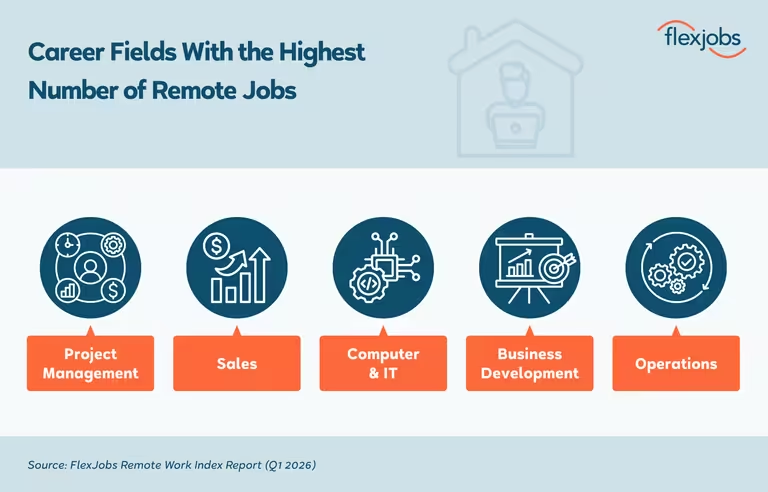
7. FlexJobs – Remote Work Statistics 2026
Type of Campaign: Remote work statistics report
FlexJobs uses remote work data to provide data-backed findings for a debate that matters for their business.
The campaign works because remote work is no longer a pandemic-era question. It is now a long-term workplace divide involving productivity, flexibility, retention, return-to-office mandates, and employee expectations. FlexJobs benefits from staying attached to the remote-work debate, while reporters get updated numbers for a story that keeps changing with every new RTO mandate.
What works well:
- Keep remote work tied to employee priorities, not just company policy.
- Give career and workplace reporters numbers to cite.
- Own a topic FlexJobs is naturally credible on.
8. LinkedIn – The 25 fastest-growing roles in the U.S.
Type of Campaign: Proprietary labor market ranking
LinkedIn turns its own platform data into a national workforce story.
The strength of this campaign is its simplicity: everyone wants to know where the job market is headed. By ranking the 25 fastest-growing roles in the U.S., LinkedIn gives journalists, employers, recruiters, and job seekers a clear way to talk about the future of work.
This is classic PR because the brand is not just commenting on the labor market, it is using its own data to define the conversation. The report connects several timely storylines at once: AI disruption, career anxiety, skills gaps, healthcare demand, real estate hiring, and the rise of consulting or founder-led work.
What works well:
- Make a big, messy labor market feel easy to understand.
- Use a ranking format that journalists can quickly lift.
- Tie the brand directly to career mobility and hiring trends.
- Turn internal platform data into a national news hook.
- Give business, careers, HR, and trade media multiple angles to cover.
9. resume.io – Junior Employee Satisfaction Report 2026
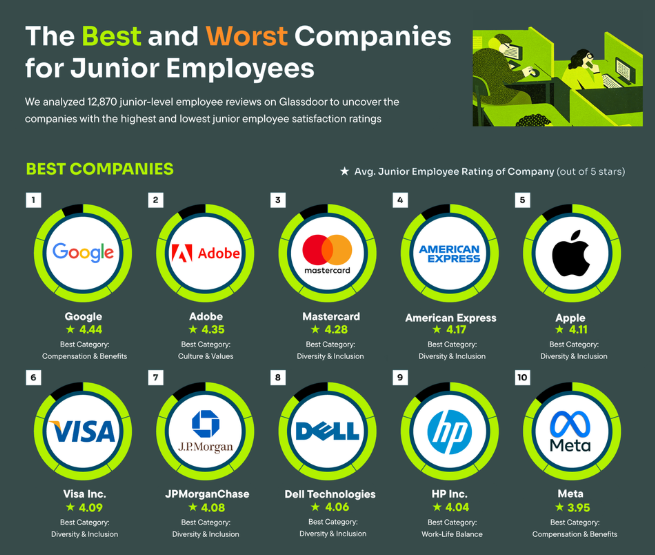
Type of Campaign: Employee review ranking study
resume.io built this campaign around a simple question: which companies are actually good places to work when you are early in your career?
To answer that, they analyzed more than 12,800 Glassdoor reviews from junior employees and ranked U.S. companies based on what early-career workers were saying about pay, culture, leadership, and career growth. The report then ranks the best and worst companies. That makes it a strong digital PR piece because it takes messy review data and turns it into something clear, timely, and easy for workplace, career, and business reporters to cover.
What works well:
- Start with a simple question people already care about.
- Use Glassdoor reviews to ground the story in real employee feedback.
- Turn a broad topic into a clear best-and-worst ranking.
- Give reporters multiple angles, from Gen Z retention to early-career career paths.
10. CountryNavigator – The Global Talent Report
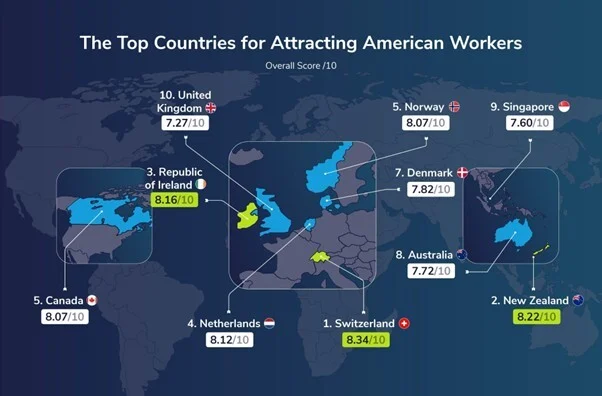
Type of Campaign: Global talent and cultural fit report
CountryNavigator’s expertise is not “hiring abroad”; it is helping companies understand the cultural risk that can make or break global teams.
The report connects global hiring and relocation to cultural fit, showing that international talent strategy is not just about finding skills in another market. It is also about whether employees can adapt, collaborate, and succeed across cultures. This opens the door for journalists to use the findings for coverage about global hiring, leadership, relocation, and the hidden friction that can derail international growth.
What works well:
- Connect talent mobility to cultural fit.
- Make global hiring about people, not just pipelines.
- Give HR teams a clearer way to talk about cross-cultural risk.
- Serve global mobility, leadership, and talent media with one report.
- Turn international workforce trends into a practical business story.
Conclusion
People aren’t just typing questions into Google anymore. They’re seeing data studies visualized as they scroll social, clicking headlines in their news feed, and checking AI tools for a faster answer. If your brand isn’t part of that discovery path, you’re missing where trust is being built.
Digital PR gives HR brands a voice in those moments, and it’s also how Google and AI tools learn to trust them as an authority in the first place. Original research gives reporters something to cite, gives search engines something to understand, and gives AI tools a unique source of truth.
That is what the strongest campaigns in this list have in common. They were not built to go viral for a week. They were built to own a question people keep asking, from which skills matter to why hiring feels broken. At Green Flag Digital, that is the kind of work we build: data-led stories that help brands become the source people keep coming back to.
Appendix: HR Digital PR Campaign Examples (Table)
| Brand | Campaign | Data Source | Primary Hook |
|---|---|---|---|
| Indeed | Skill Set, Match | Owned data | Skills gap |
| ZipRecruiter | ZipRecruiter’s New Hire Survey | Survey | New hires |
| Ashby | The State of Startup Hiring | Owned data | Startup hiring |
| BambooHR | More Applicants, Fewer Hires | Owned data | Hiring friction |
| JobLeads | Gender Pay Gap Starts With What Women Expect to Earn | Owned data | Pay expectations |
| Built In | State of Employer Reputation and Visibility | Survey | AI visibility |
| FlexJobs | Remote Work Statistics 2026 | Owned data | Remote jobs |
| The 25 fastest-growing roles in the U.S. | Owned data | Fastest-growing jobs | |
| resume.io | Junior Employee Satisfaction Report 2026 | Review data | Junior talent |
| CountryNavigator | The Global Talent Report | Expert report | Cultural fit |
FAQs
What is digital PR in HR?
Digital PR in HR is the practice of creating data-driven studies, rankings, surveys, or reports that earn media coverage and backlinks. Instead of promoting HR software, recruiting services, or workplace solutions directly, brands publish research that journalists want to cite. This builds authority, organic visibility, and long-term search equity. To learn more, here’s our start to finish digital PR strategy and process.
Digital PR supports HR marketing strategy by driving earned media, high-authority backlinks, and brand visibility beyond paid channels. While traditional marketing focuses on ads, sales content, or product-led messaging, digital PR builds credibility and search demand through original workplace storytelling.
What types of HR campaigns earn the most coverage?
Surveys, workforce rankings, labor-market analyses, and proprietary data studies tend to perform best. Campaigns about hiring trends, pay, employee satisfaction, remote work, burnout, AI adoption, skills gaps, and workplace culture give journalists clear headlines and timely angles. The strongest HR campaigns usually connect a workplace issue to a bigger story already in the news, like the economy, generational change, return-to-office tension, AI disruption, or employee trust.
Are data-driven campaigns better than traditional HR content?
For media coverage and backlinks, yes. Traditional blog posts explain a topic. Data-driven campaigns create something new for reporters to reference. When HR brands publish original research, they give journalists evidence, statistics, and fresh angles, not just commentary. A strong data campaign can support both PR and SEO by creating coverage-worthy findings that continue to earn visibility over time.
Can smaller HR brands run digital PR campaigns?
Absolutely. Smaller HR brands can often win by owning a sharper niche. A recruiting platform could track startup hiring trends. A benefits company could study employee financial stress. A global mobility brand could analyze relocation friction or cross-cultural team challenges. The key is not being the biggest brand in HR. It is having a clear point of view, a credible data source, and a story journalists can use.
Update log:
- July 2, 2026: Published





Leave a Reply