
Quick and clean, press releases can feel like the easiest path to getting a brand or company’s voice heard. And they don’t just inform journalists anymore. They now serve to inform search, social, newsrooms, and AI-powered tools.
That shift has changed what makes an effective press release today. Forget blocks of corporate-ese formatting and overly rigid and formal press release formats. Now, they’re written to work across social media, understaffed newsrooms, and every kind of search experience.
Below, we cover:
- What is a press release?
- Examples of press releases we love + notes on what they do best
- Examples of common press release types (funding, hiring, acquisitions)
- How to write a press release (more precisely, how we do)
1. What Is a Press Release?
A press release is an official announcement a company shares with media outlets, platforms, and the general public to communicate news like product launches or research findings.
Traditionally, press releases existed primarily for journalists. Now, they serve a much broader purpose:
- They provide authoritative source material for media coverage
- They support SEO, brand visibility, and brand awareness
- They influence how stories are summarized by AI tools
- They serve as a tool for content distribution
For a startup, a press release can also serve as one of the first authoritative signals that help establish credibility and visibility.
In short, a good press release shapes how company news travels and gets remembered.
2. Best Examples of Press Releases
At Green Flag Digital (GFD), we spend a lot of time building press releases that don’t just “announce news,” but actually support a bigger public relations and PR strategy plan. Usually with the aim of earning more media coverage that builds brand awareness.
The press release examples below are especially relevant to our work because they’re built to travel across newsrooms, search, and social media, and they include the kinds of structure AI systems can quickly parse.


Data / Industry Report Press Release
A press release built to share proprietary research or industry trends that journalists can cite directly.
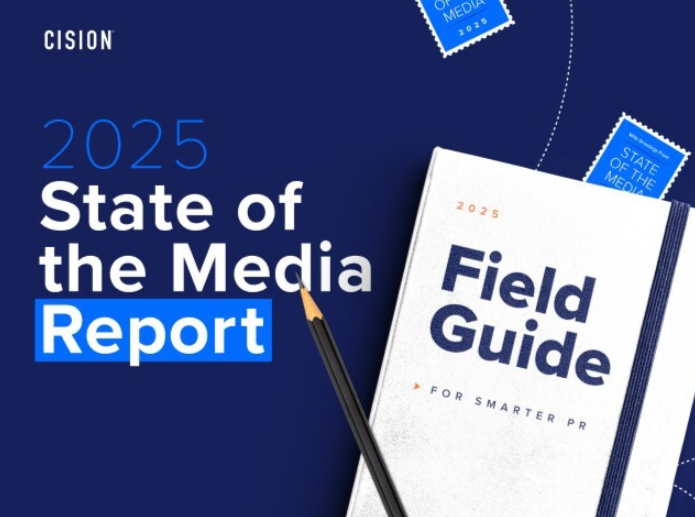
Example: Cision — 2025 State of the Media Report
What better example to start with than one straight from Cision, a “household” name for PR and media pros. Their annual State of the Media Report exemplifies the value the brand offers PR professionals by polling journalists about the things that matter most, and by how they present the press release itself.
Here’s what they do best:
- Lead with a single, editorial-ready insight instead of the report title
- Include quotable statistics directly in the body copy
- Structure findings so journalists don’t need to download the report
This is a perfect example of how to turn research into ongoing earned coverage. And it’s worth calling out our favorite finding from the report: 72% of journalists still cite press releases.
At a glance:
- Greatest advantage: Authority + citations
- How hard is it: Medium
- Time + resources: High
- Expected outcomes: Media pickup, backlinks, trust
- Ideal use cases: Annual reports, benchmarks, surveys
(Research-Backed) Thought Leadership Press Release
A press release that uses original data to shape opinion rather than announce a product.
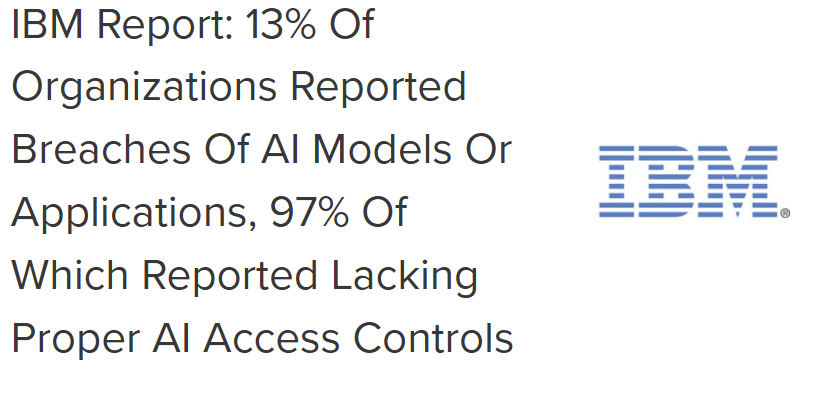
Example: IBM – AI Security Breach Statistics Report
This example from IBM shared proprietary research on AI security risks. Backed by nearly 6,500 data breaches investigated over the past 20 years, the company knows how to leverage its authority on the topic by pairing it with expertise and data.
Here’s what they do best:
- Put the most alarming stat directly in the headline
- Frame technical risk in business-language consequences
- Position IBM experts as interpreters, not promoters
This type works best when the data itself creates urgency, and IBM’s findings make it clear that breaches are not getting better as people adapt and use AI more quickly.
At a glance:
- How hard is it: Medium
- Time + resources: Medium–high
- Expected outcomes: Thought leadership, mentions
- Ideal use cases: Emerging tech, risk, regulation
Seasonal or Timely Press Release
A press release tied to a predictable calendar moment or seasonal behavior.
Example: Quad – Holiday Shopping Sentiment Survey
In this example, marketing experience company Quad announced consumer shopping preferences during the holiday season. We all have experienced the joy (or stress) of holiday shopping, and Quad hooks into that moment with real data proving that consumers want a little more magic in their holiday shopping experiences.
Here’s what they do best:
- Time the release for when editors are already assigning holiday stories
- Frame the data around emotion (joy, wonder, excitement), along with statistics
- Keep findings simple and repeatable
Seasonal relevance often matters more than you think. And Quad proves mastery of tying data that matters for its brand into a predictable moment in time.
At a glance:
- How hard is it: Low
- Time + resources: Low–medium
- Expected outcomes: Lifestyle coverage
- Ideal use cases: Retail, travel, consumer brands
Data-Backed Lifestyle Insight Press Release
A press release that uses original research to connect a brand to a broader cultural or lifestyle conversation.
Example: Peerspace – “Friendship Is Fitness” Research Report
This example from Peerspace uses original research to build a quiz. It hinges on the relationship between social connection and health, positioning the brand within a broader wellness conversation rather than narrowly within event rentals.
Here’s what they do best:
- Lead with a memorable, human insight in the headline.
- Use data to expand brand relevance, aligning Peerspace with wellness, connection, and lifestyle media
- Create multiple editorial angles at once, appealing to health, culture, and business outlets without changing the core narrative
This type performs best when research tells a human story and earns the brand a place in a larger cultural conversation.
At a glance:
- How hard is it: Medium
- Time + resources: Medium
- Expected outcomes: Lifestyle pickup, authority, backlinks
- Ideal use cases: Brand repositioning, cultural insight, original research
Cultural Commentary Press Release
A press release designed to react to or challenge an existing cultural moment.
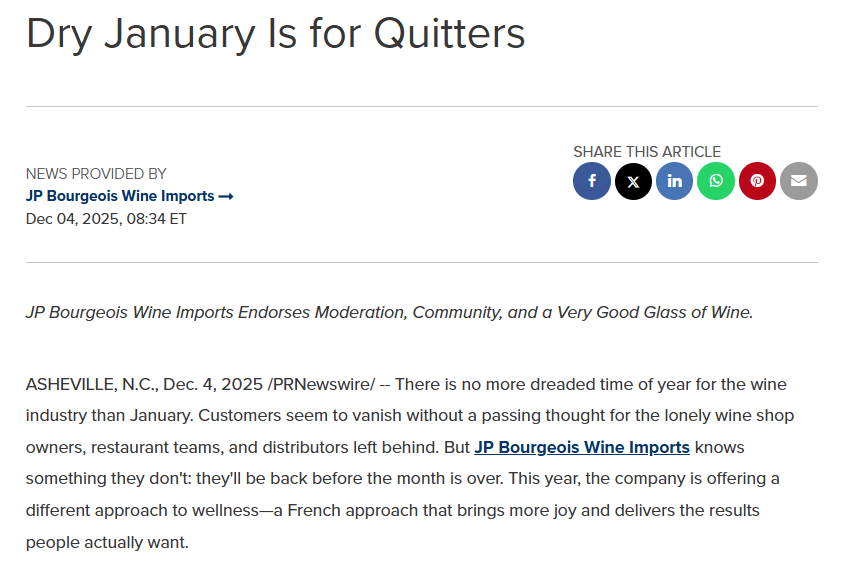
Example: J.P. Bourgeois Wine Imports – “Dry January Is for Quitters”
This example challenged a widely recognized cultural trend, bucking the New Year detox practice of abstaining from alcohol, namely wine, and suggesting everyone do it the French way.
Here’s what they do best:
- Assume shared cultural context without explanation
- Use a headline that invites reaction and debate
- Maintain a consistent, confident brand voice throughout
At a glance:
- How hard is it: Medium
- Time + resources: Low
- Expected outcomes: Buzz, social pickup
- Ideal use cases: Challenger brands, lifestyle
Public Interest or Safety Press Release
A press release focused on consumer protection, safety, or practical guidance.
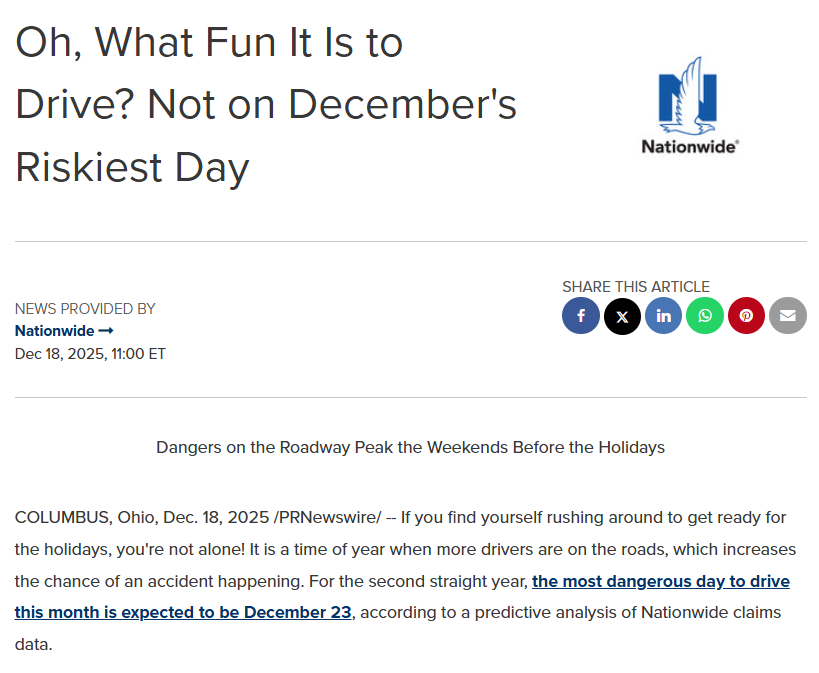
Example: Nationwide – December Driving Risk Report
This example from Nationwide relies on safety and public interest (it also taps into seasonality). The release balances a serious topic with lighter language, but backs up their expertise with data, authoritative quotes, and a clear tie-in to their driving rewards program.
Here’s what they do best:
- Use light wordplay to draw attention without undermining seriousness
- Lead with a major stat based on their research
- Align the data with an announcement of a program to promote safety
This type performs best when credible data raises awareness around risk and the brand, or even a non-profit, clearly shows how it is responding.
At a glance:
- How hard is it: Low–medium
- Time + resources: Medium
- Expected outcomes: Broad pickup, goodwill, trust builder
- Ideal use cases: Insurance, automotive, health
Product Launch Press Release
A press release announcing a brand new product or offering.
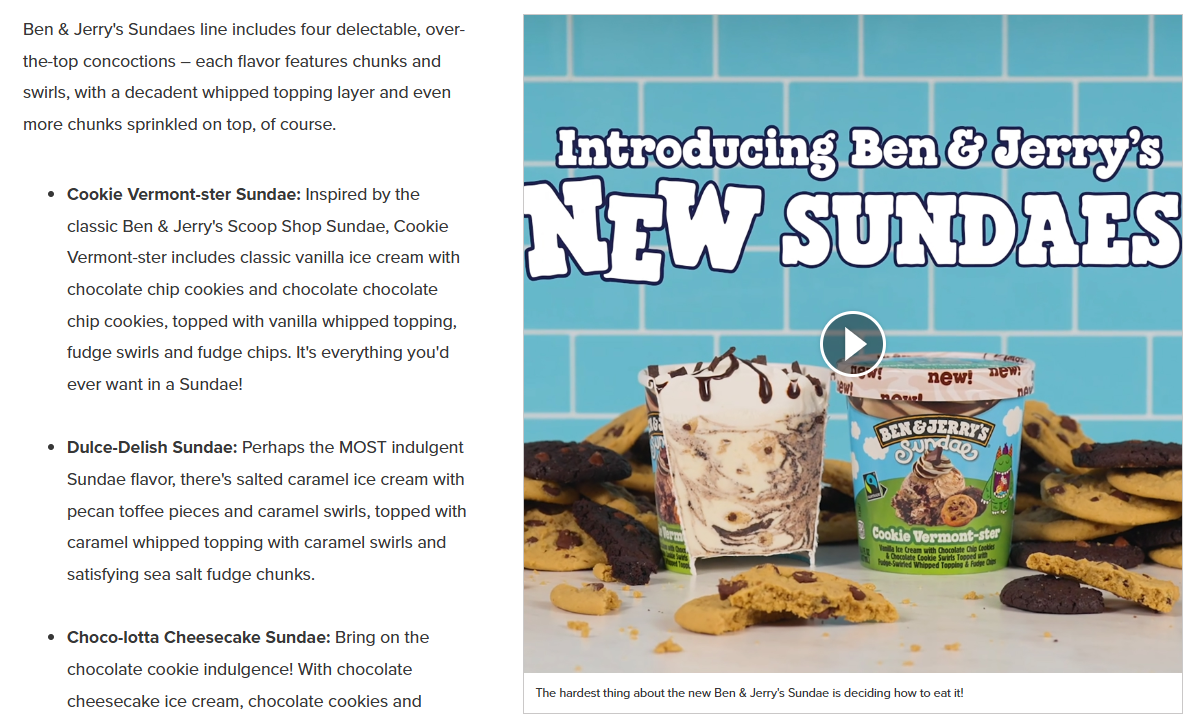
Example: Ben & Jerry’s – New Sundaes Launch
This example announced new menu items.
Here’s what they do best:
- Embed video and imagery directly into the release
- Describe the experience, not just the product
- Write in the same tone journalists would use to make it easy to quote directly
At a glance:
- How hard is it: Low
- Time + resources: Medium
- Expected outcomes: Product coverage
- Ideal use cases: Food, retail, consumer tech
Product Update or Feature Press Release
A press release announcing improvements, new functionality, and price shifts.
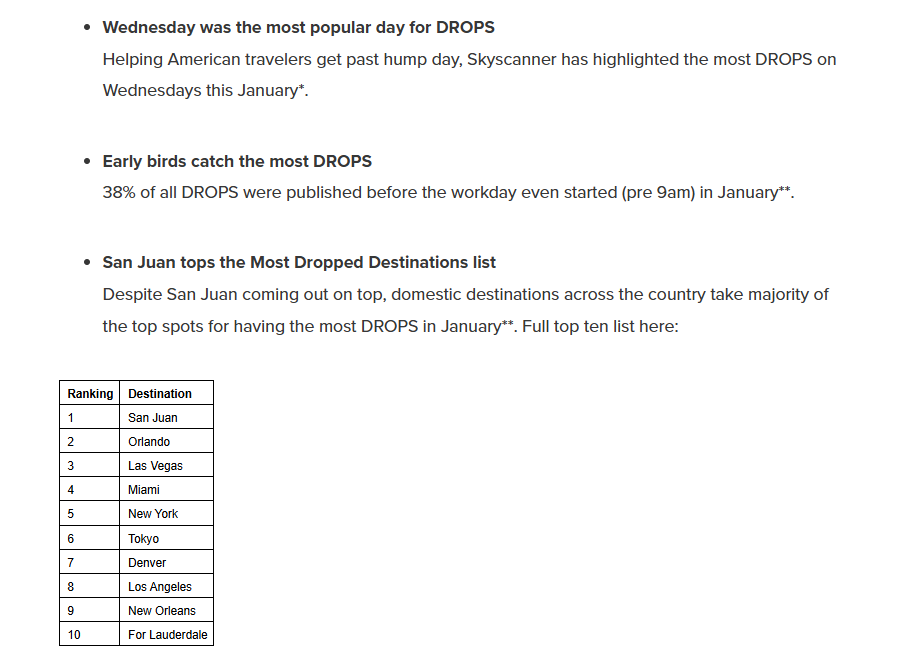
Example: Skyscanner – Flight Savings Feature Launch
This example introduced a new feature focused on savings.
Here’s what they do best:
- Lead with a clear cost, dollar value in the headline
- Use tables and bullets for fast information extraction
- Make the benefit obvious without technical detail
Quantified value turns updates into stories.
At a glance:
- How hard is it: Low
- Time + resources: Low
- Expected outcomes: Product mentions
- Ideal use cases: SaaS, travel, fintech
Social-First or Trend-Led Press Release
A press release written to travel across social feeds and discovery platforms.
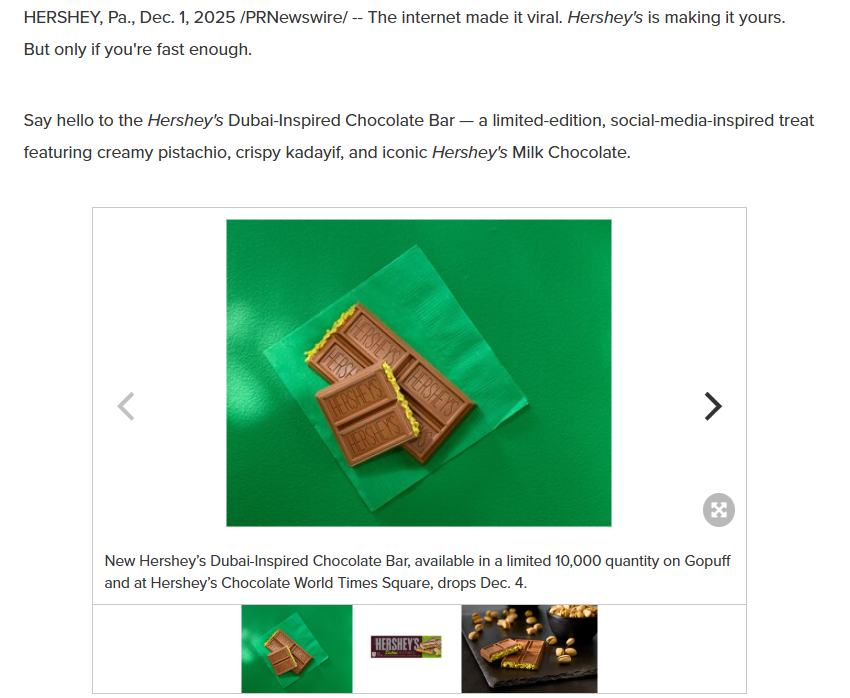
Example: Hershey’s – Dubai-Inspired Chocolate Bar Launch
This example leaned directly into TikTok and online trends.
Here’s what they do best:
- Use platform-native language (“FYP,” “drops”)
- Signal relevance to social editors immediately
- Support AI and search discovery with descriptive phrasing
Distribution is built into the copy itself.
At a glance:
- How hard is it: Medium
- Time + resources: Low
- Expected outcomes: Social pickup, discovery
- Ideal use cases: Consumer brands, launches
Crisis or Reactive Press Release
A press release responding to a mistake, controversy, or unexpected event — otherwise known as crisis communications.
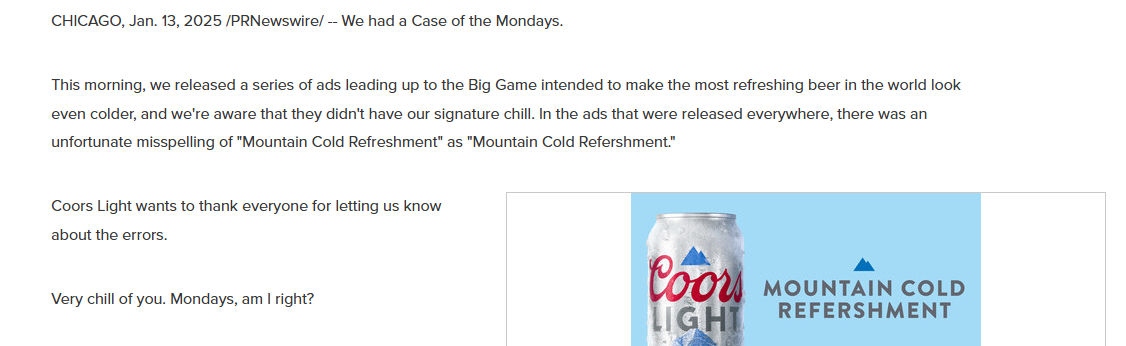
Example: Coors Light – Statement on Misspelled Ads
This example of a crisis communication press release addressed a public brand error.
Here’s what they do best:
- Respond quickly and proportionately
- Acknowledge the issue without defensiveness
- Maintain brand tone under pressure
Speed and tone matter more than length. So does brand culture. For instance, I can’t imagine most airlines doing as RyanAir and quickly responding to an online spat between their CEO, Michael O’Leary and Elon Musk with a big “idiot” sale.
At a glance:
- How hard is it: Medium
- Time + resources: Low
- Expected outcomes: Issue containment
- Ideal use cases: Brand mishaps, errors
Brand or Repositioning Press Release
A press release announcing a brand refresh or strategic shift.
Example: Nextdoor – Brand Redesign Announcement
This example announced a brand refresh.
Here’s what they do best:
- Explain why the change was necessary
- Connect brand decisions to user experience
- Avoid over-indexing on visuals
Brand announcements resonate when they explain intent.
At a glance:
- How hard is it: Medium
- Time + resources: Medium
- Expected outcomes: Understanding, alignment
- Ideal use cases: Rebrands, pivots
3. Common (and Still Essential) Press Release Types
Not every press release needs to be clever, social-first, or built to spark debate.
Some press release types have existed for decades because they serve a very specific purpose: signaling credibility, scale, and stability. These formats are more standardized, more expected by journalists, and often less experimental — but they remain critical for companies navigating growth, partnerships, and major corporate milestones.
Think of these as the foundational press release types. They may not drive viral attention, but they shape how companies are perceived by investors, partners, media, stakeholders, and increasingly, AI systems looking for authoritative signals.
Here are 8 examples of some of the most common types of press releases.
| Type | What It’s Typically Used For | When It Works Best | Press Release Example |
| Award Press Release | Highlighting third-party validation and credibility | After reputable rankings, awards, or certifications | Databricks – Dun & Bradstreet Growth Data Partner of the Year |
| Expansion / Market Growth Press Release | Announcing entry into new markets or regions | Geographic expansion, new offices, new customer segments | United Adds Eight New Destinations in Largest International Expansion in its History |
| New Partnership & Strategic Alliance Press Release | Announcing a new partnership and signaling collaboration | Co-development, distribution, platform integrations | Spotify & FC Barcelona – Global Partnership Announcement |
| Funding announcement / Investment Press Release | Demonstrating momentum and financial backing | Major VC rounds, strategic investments, fundraising | OpenAI – New Funding to Build Toward AGI |
| Merger & Acquisition Press Release | Communicating strategic capability expansion | Acquiring technology, teams, or market access | Block Renovation – Acquisition of BuildZoom Marketplace |
| Executive / Leadership Announcement Press Release | Showing organizational maturity and direction | Senior hires, new hires, leadership restructuring | Databricks – Expands EMEA Leadership Team |
| Event Press Release | Building visibility, credibility, and momentum around an upcoming event or key moments | Conferences, product launches, sponsored events, awards | Sylvox – SoCal Pop-Up Event |
| Embargoed Press Release | Managing timing and depth for sensitive or high-impact news | Product launches, research findings, financial or regulatory announcements | American Diabetes Association – Scientific Sessions Announcement |
4. How to Write a Press Release?
You don’t need a long checklist or rigid press release template. The strongest press releases tend to follow the same core principles. Here is a press release writing guide pulled directly from our team’s internal SOP for writing press releases.
- Craft a strong, newsworthy HEADLINE that makes the key message clear. Write out multiple headline options to see which is the strongest. We find that including a major stat or narrative takeaway in the title/headline text performs best.
- Include the brand/company name in the headline, if possible. This helps with brand clarity, credibility, and search visibility.
- Take advantage of the subheader text to add more context. The subheader is valuable character real estate; often, press releases come with a word cap. Use this area to clarify the “why it matters” without repeating the headline.
- Lead with the biggest takeaways. The inverted pyramid method works best for press releases. Right after the dateline, in the lead paragraph, include the most important insight or the headline-worthy announcement.
- Use quotes to share real expertise. Quotes should add interpretation, insights, or authority, not just enthusiasm.
- Add in a bulleted list of key takeaways. Write each bullet as if it could stand alone as a mini-headline.
- Optimize the limited use of characters by including tables. Tables are especially effective for rankings, comparisons, or geographic data.
- If possible, include a multimedia component. Whether it’s video, photo, a custom design, an infographic, or interactive, only include if it helps explain or reinforce the narrative or story.
- When relevant, always include a short data methodology/explainer. When using research, polls, or analysis, in particular. If possible, a link to a methodology section elsewhere works too.
- Include a link back to the client website or relevant page as a clear call to action (CTA). Give journalists and readers a clear next step for deeper context.
- Use a templated “About” for the client, often referred to as a boilerplate. This ensures brand messaging stays clean and accurate across releases. Get the approved by the company or client once, and use it again and again. Be sure to include contact information, a media contact, and a phone number.
- Learn from others. Find press releases that share similar data or information, or that are from industry competition, and review which ones stand out to you. Also, note which ones don’t communicate their message very effectively, and learn from their mistakes.
Final Thoughts on The Best Press Releases in 2026
The best press releases today aren’t louder or longer. When done right, they don’t just announce news. They shape how that news gets remembered, repeated, and surfaced across search, media, and AI.
Looking for more information on PR? Check out our PR pricing and packages guide.
FAQs
What is press release distribution, and do I need a distribution service?
Broadly, press release distribution is how your announcement gets in front of journalists, platforms, and audiences.
This can include posting to your newsroom, sharing on social media and LinkedIn, direct media relations outreach, or using a paid distribution service like Newswire.
A press release distribution service can help with reach and visibility, but it doesn’t replace a strong story, clear target audience, or thoughtful PR strategy.
We see that the best results usually come from combining distribution with follow-up outreach.
Can ChatGPT write press releases?
Think of AI tools as support. AI tools like ChatGPT can be a helpful for initial drafts of press releases, especially for outlining structure and brainstorming headlines.
However, an effective press release still needs human input. When it comes to messaging, public relations judgment, accuracy, and brand voice, a human-first touch is best.
What are the top press release distribution services?
Popular press release distribution services include PR Newswire, Business Wire, GlobeNewswire, and EIN Presswire.
Each varies in reach, cost, and industry focus. The right choice depends on your target audience, budget, and whether distribution is paired with direct media relations outreach.
In practice, many PR teams send press releases directly to existing media connections or use targeted cold outreach to reach journalists who are most likely to cover the story.
What should I do after a press release goes live?
After a press release goes live, plan a follow up that includes:
- sharing the release across social media,
- posting it to LinkedIn, and
- reaching out directly to relevant journalists or editors.
Monitor coverage and respond to media inquiries quickly. Be ready to provide additional context or assets.
What are the five W’s of a good press release?
The five W’s: who, what, when, where, and why should be answered clearly and early in every press release.
In most effective press releases, all five appear in the first paragraph, right after the dateline. This structure helps journalists, search engines, and AI tools quickly understand the news without digging for context.





Leave a Reply