
We can’t get enough travel studies in our arsenal of digital PR campaign ideas. Be it the best city for “x” story, a useful tool, a ranking that taps into emotions, or a state-by-state analysis that local outlets love, there’s just so much that exists and even more that hasn’t been created yet when it comes to travel-inspired campaigns.
The strongest campaigns in this space have changed over time, and what was very cool 5, 10 years ago isn’t the same today. (Shout out for our Around the World in Perfect Weather campaign!) Now we are seeing more campaigns built on clear, easy-to-decipher data you can explain without a PowerPoint based on reviews, search demand, pricing, and real-time flight data.
We’ve collected the latest and greatest travel and tourism campaigns so you can see what travel brands are doing right now.
What makes these among the best travel industry digital PR campaign ideas in 2026?
- Rankings that create instant local angles: State-by-state, city-by-city, resort-by-resort. The moment a place “wins,” you’ve got built-in regional headlines and outreach lists.
- Methodology that fits in a sentence: “Based on millions of reviews,” “Google Trends by subregion,” “internal pricing + lift ticket costs + skiable acreage.” If the logic is clean, the pickup is easier.
- Utility is increasingly more important than pure content (the ‘bookmark it’ effect): Maps, sortable tables, and clear scoring don’t just earn links; they earn trust and repeat visits from both consumers and reporters, especially during disruption windows, and let people play with the proof.
- A strong “hook” that’s inherently shareable: “Visitor value,” “authenticity,” “romance rating,” “nervous flyers,” “best places to camp.” These are identity-and-emotion topics that turn vibes into a score.
1. HomeToGo – The HomeToGo 2025/26 Ski Season Report
Campaign type: Data-led ranking + interactive table
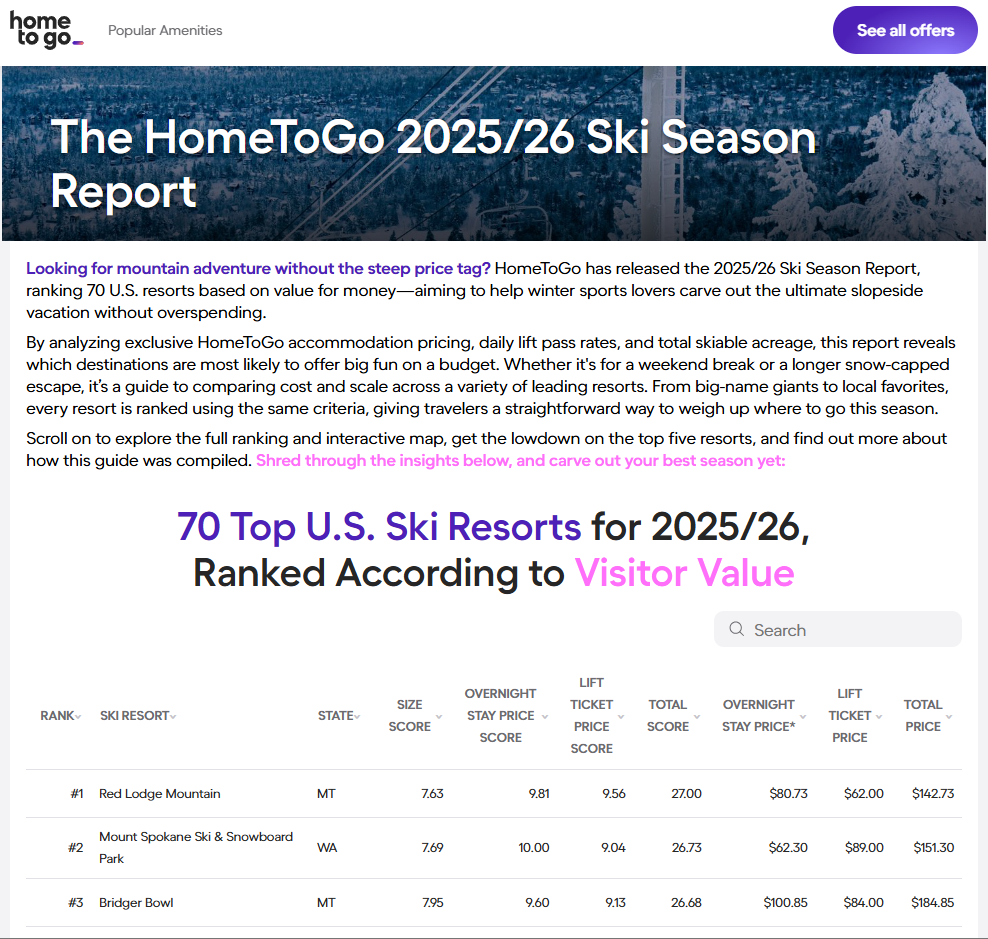
This campaign pulls off a rare double: it’s newsworthy and useful. HomeToGo takes what skiers actually care about — accommodation prices, lift tickets, skiable acreage — and rolls it into a “visitor value” score. Then they let you play with it: rankings, map, sorting, comparisons. But the best part is that it all lives on a page meant to win organic traffic. So every citation or mention or reference to that report sends visitors to a page for booking ski stays in Colorado.
What they do best
- Combine price + scale into one headline-friendly “visitor value” score.
- Make the data genuinely explorable (rankings, map, filters).
- Turn one page into both a press story and an evergreen search asset.
2. The Dyrt – 2025 Best Places to Camp: Top 10 in the U.S.
Campaign type: Review-backed “best of” list
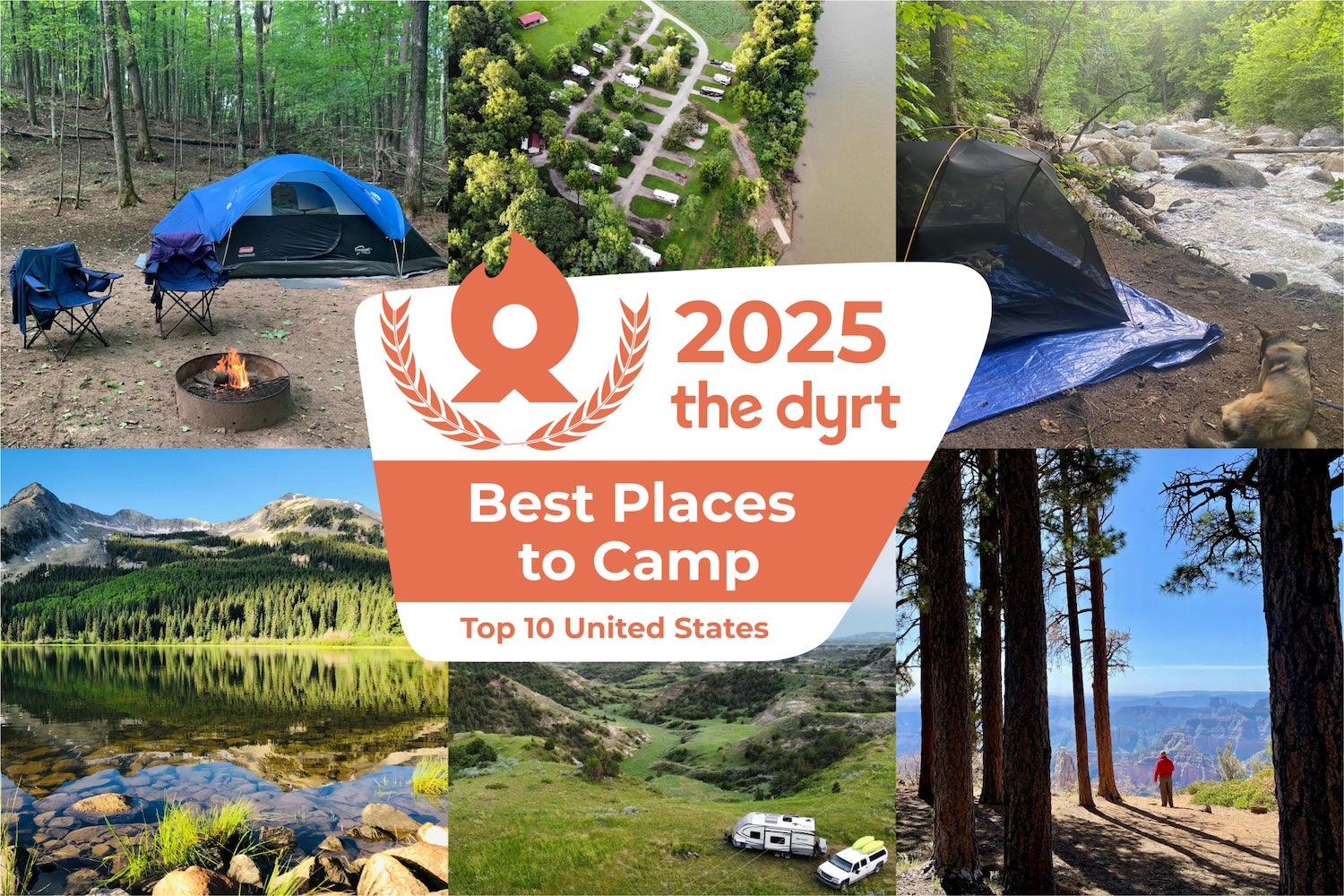
The Dyrt doesn’t pretend camping is a niche hobby. Their community drives the findings in this Top 10 list based on camper reviews and ratings. The page reads like a ready-to-run feature package with tight “why it won” blurbs, on-the-ground details, and that satisfying feeling that real campers picked the winners. It’s a reveal, not a listicle.
What they do best
- Let community reviews carry the authority without a long explanation.
- Write each finding like a mini story (journalists can lift blurbs cleanly).
- Package it in a way that quietly signals, “Go ahead — quote this.”
3. AllTrails – AllTrails Introduces 25 Trails to Explore in 2025
Campaign type: Curated “best of” list
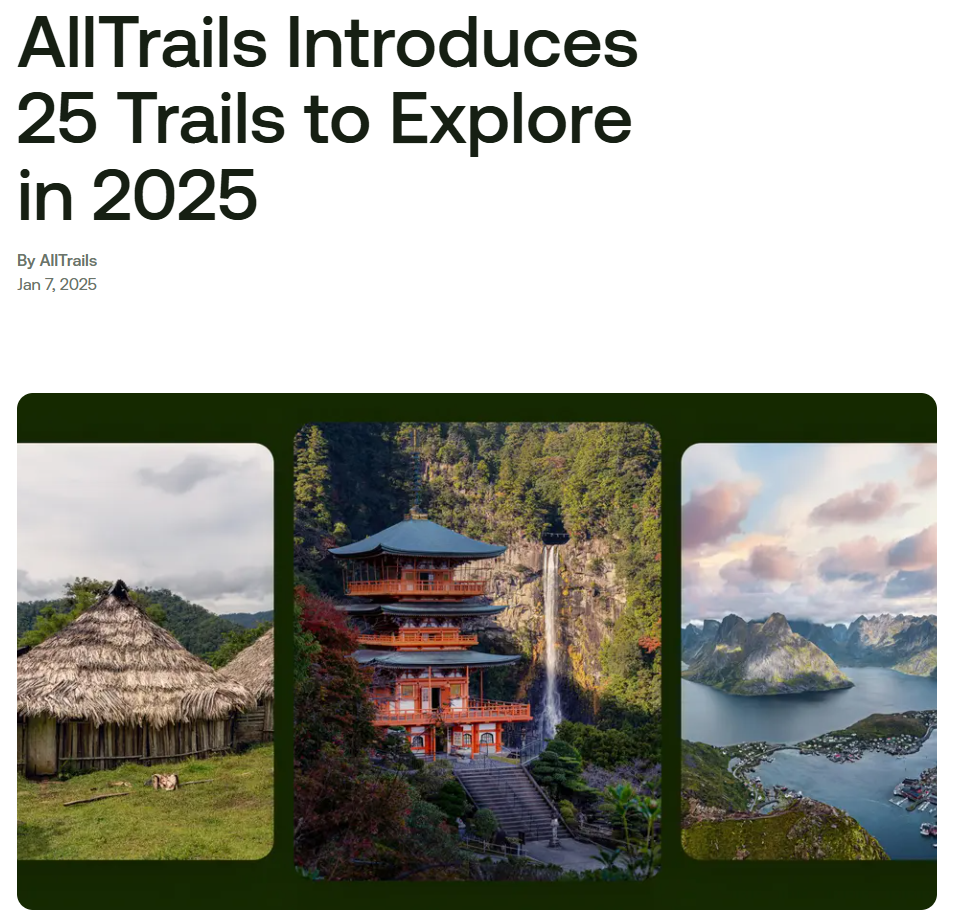
AllTrails leans into variety (new and newly restored routes, historic urban walks, ambitious treks) and frames it as a year-of-adventure invitation. The list is curated enough to feel human, but official enough to travel far.
What they do best
- Treat curation like an announcement, not a casual blog post.
- Choose trails with a hook (“new,” “restored,” “historic”), not just popularity.
- Make it easy to localize coverage because every trail is a regional angle.
4. Holidu – Top 10 Farmers’ Markets of the US
Campaign type: Data-backed ranking
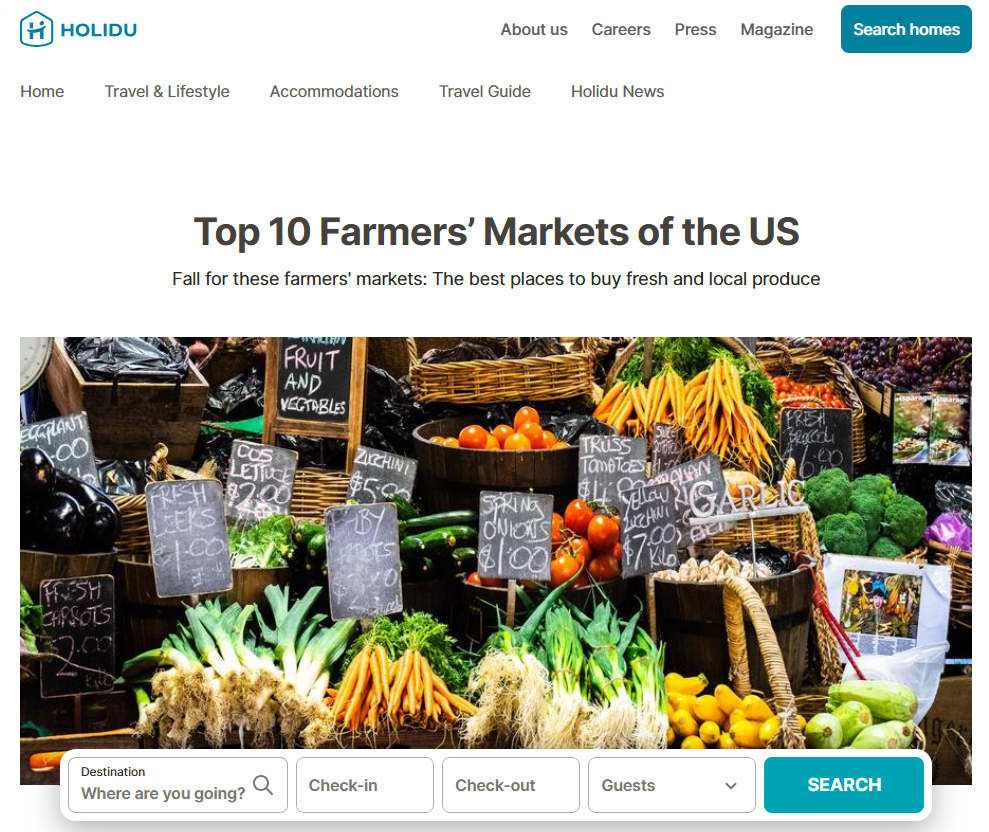
Holidu picks a popular and niche topic, farmers’ markets, and gives it real structure. They start with 1,500+ markets from a USDA base list, then fold in Google ratings, review volume, and product variety to land on a score out of 10. The tone is warm and foodie, but the method keeps it grounded.
What they do best
- Start from a credible base list (USDA), then layer in public review signals.
- Create a list where every city on it becomes an outreach target.
- Keep scoring simple enough for press to repeat without mangling it.
5. Holafly – The world’s most relaxing cities
Campaign type: Multi-metric city index + infographic
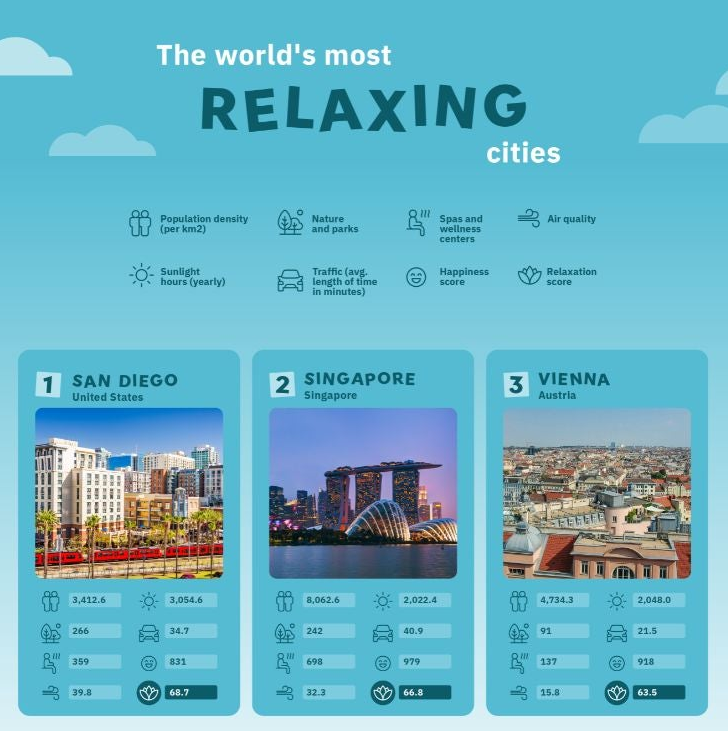
Holafly leads with a calm, empathetic intro, then backs its claims with a clear methodology. Relaxation is scored using parks and nature access, wellness centers, air quality, sunshine hours, traffic congestion, and happiness. They even feature a shareable infographic.
What they do best
- Make an emotional, soft concept measurable.
- Build a page that stays useful long after launch day.
- Keep it consumer-first (helpful for trip-planning), not only industry commentary.
6. FlightAware – FlightAware MiseryMap®
Campaign type: Live utility tool
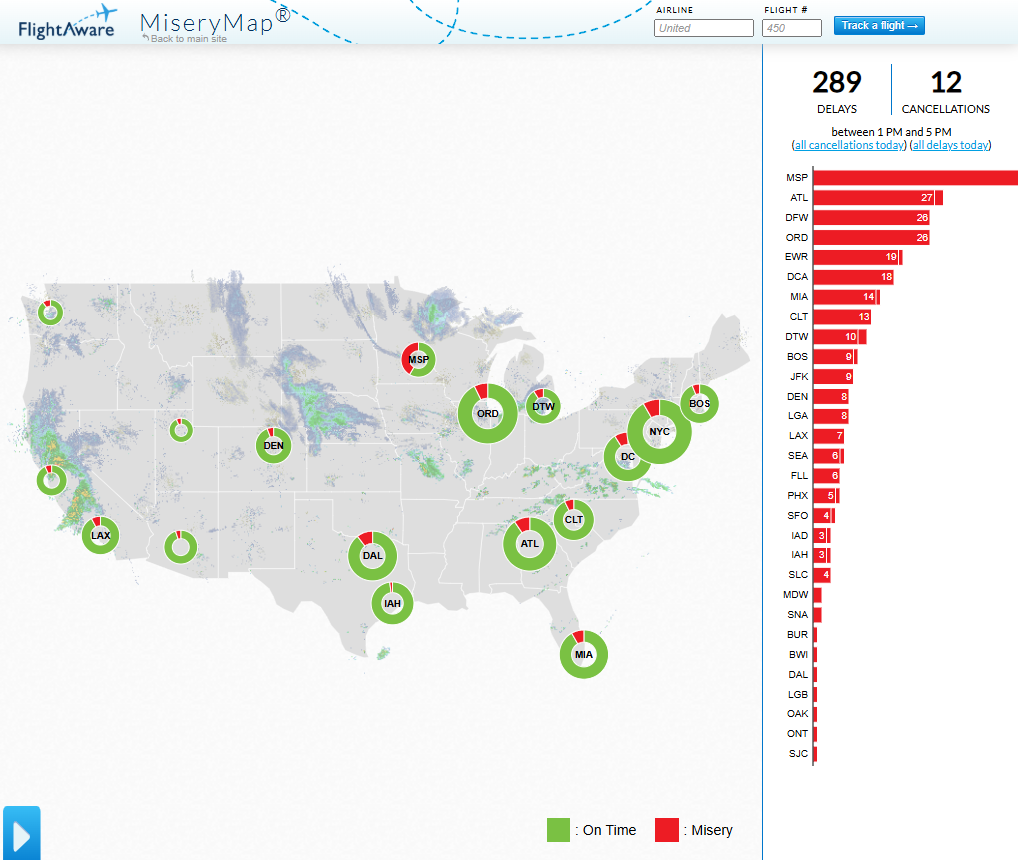
Okay, to be fair, this is more calculator/tool than your usual campaign, BUT this is the kind of link-building genius we rarely see. “MiseryMap” shows an enormous amount of brand clarity. The tool from FlightAware visualizes delays and cancellations in real time. That makes it instantly relevant the moment storms roll in, holidays hit, or the system starts creaking. This isn’t content you “read.” It’s a tool you cite, because when flights melt down, people want solid proof they can rely on.
What they do best
- Create a tool that makes sense for their brand, and that offers real value to real people — be it flyers or reporters.
- Build it and frame it so that it attracts extra attention when a disruption (in flights) happens.
- Make it super easy to use and super easy to see the value in half a second.
7. InsureandGo – The Authenticity Index
Campaign type: User-review analysis and index
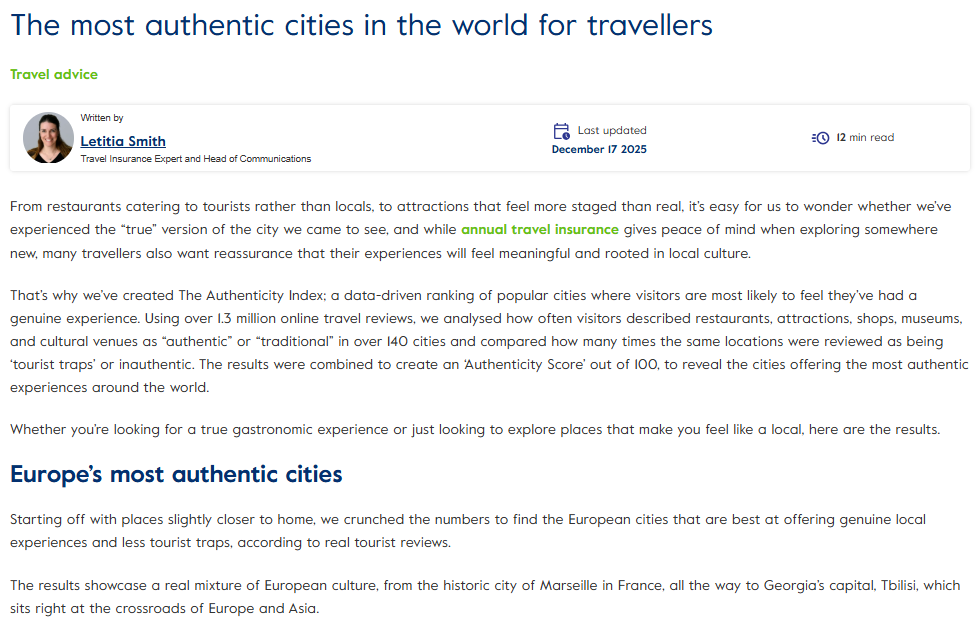
It taps a modern travel worry: “Am I paying for a tourist trap?” InsureandGo answers by analyzing 1.3M+ reviews across 140+ cities. They track mentions of “authentic/traditional,” weigh them against “tourist trap/inauthentic,” and roll it into a score out of 100.
What they do best
- Measures a fuzzy human desire (“authentic”) without killing the romance.
- Use review language as evidence.
- Publish in formats that are easy to segment like top 10s by region, and include easy to skim tables.
8. Go2Africa – The Most Romantic Destinations In the World
Campaign type: User-review analysis and index + infographic
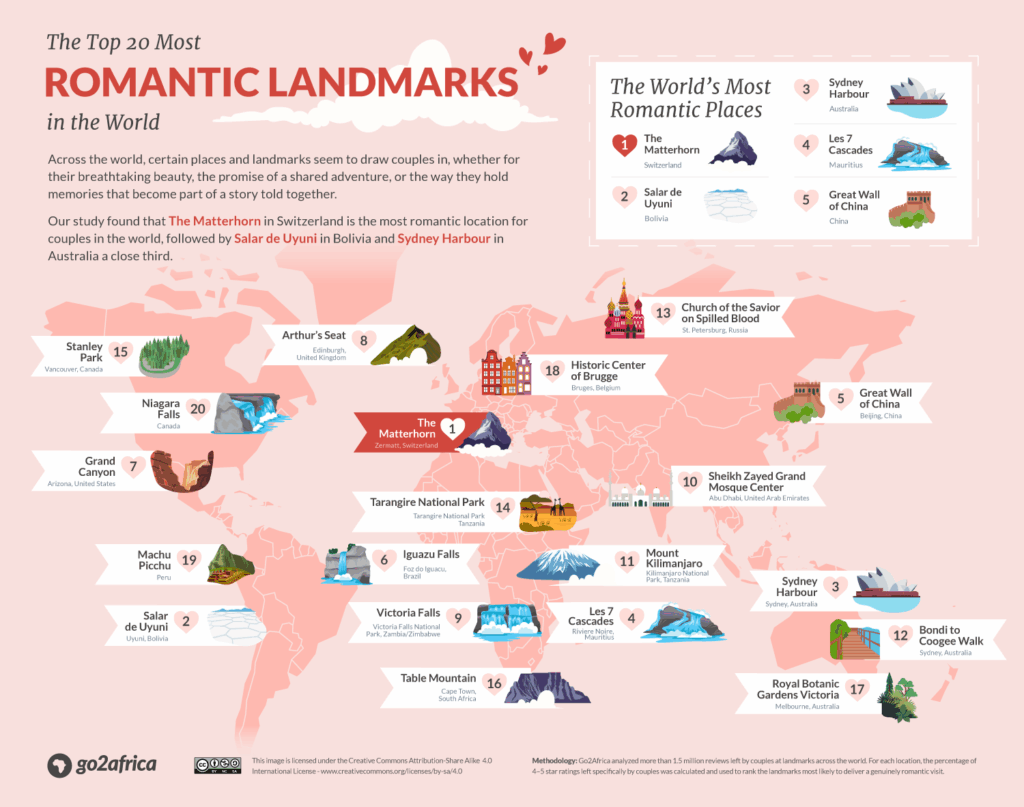
Go2Africa does something clever: if you want romance rankings, don’t ask everyone, ask couples. They analyze nearly 1.5 million couple reviews across 200+ places, then rank destinations by the share of 4–5 star experiences from couples. The methodology is refreshingly plainspoken, which is exactly why it feels citable instead of cheesy.
What they do best
- Make the premise feel intentional by filtering to couple reviews.
- Keep the scoring easy for writers to explain in one sentence.
- Add minimum-review guardrails so results don’t feel random.
9. Upgraded Points – Each State’s Top-Searched Spring Break Destination [2026 Study]
Campaign type: State-by-state ranking using Google Trends
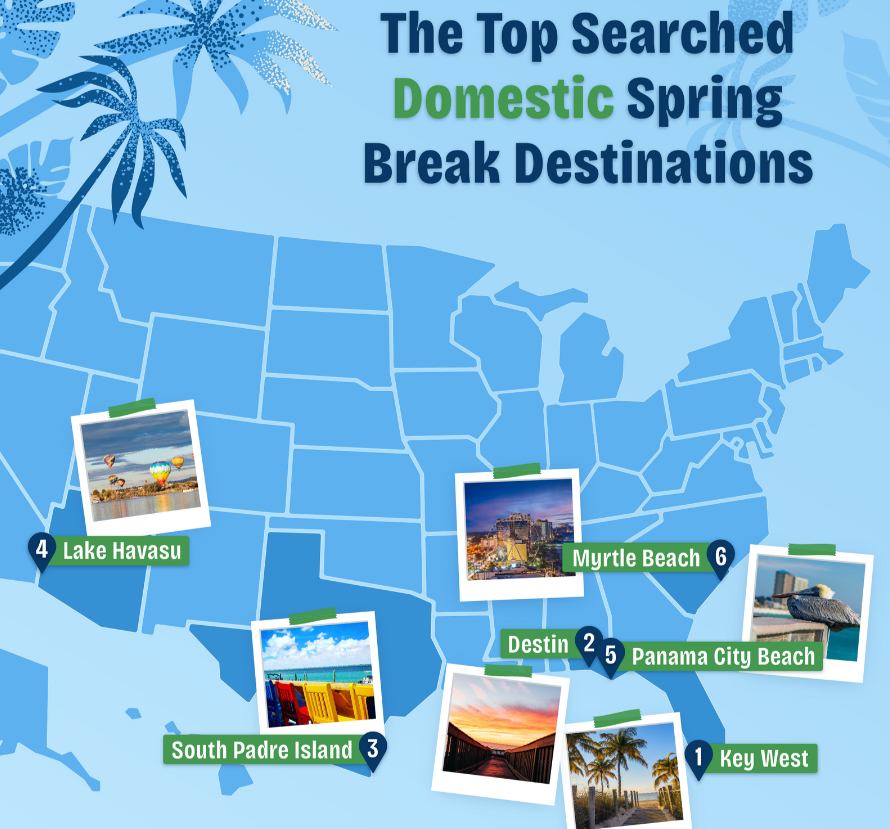
Upgraded Points uses Google Trends to make 50 ready-made headlines. The framing is simple: what each state is most interested in for spring break. They also explain the timeframe and how Trends indexing works, which helps the results feel trustworthy. It’s the kind of piece where readers immediately check their own state, then judge everyone else.
What they do best
- Bake local angles into the structure (every state is a story).
- Use a public dataset with clear constraints and timeframe.
- Split the topic into multiple angles (domestic/international; destinations/resorts).
10. GuruWalk – Top 100 best walking cities 2025
Campaign type: Top 100 listicle based on user preferences
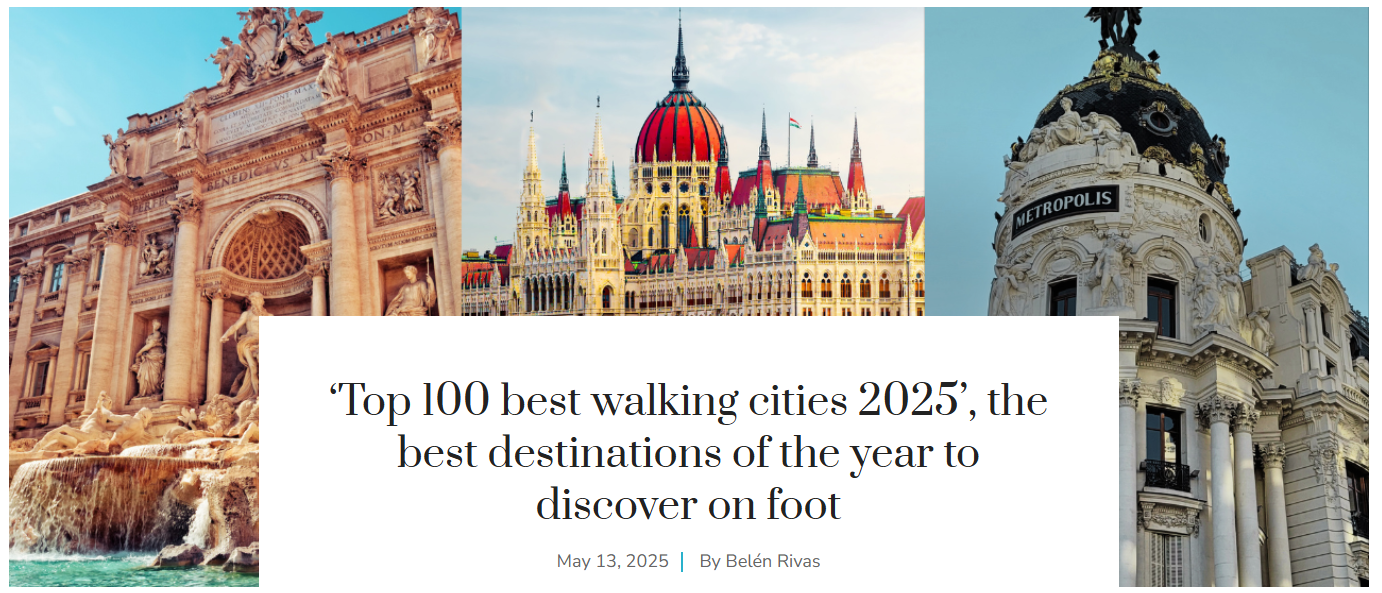
This is built for scrolling and bookmarking: a big, broad Top 100 that sells the joy of discovering a city on foot. The language leans visual, streets, neighborhoods, markets, more “come wander” than trying to prove anything. It’s useful, not promotional. That makes it easy to republish, easy to quote, and easy to share with someone in a group chat.
What they do best
- Commit to a simple, global Top 100 format that earns links naturally.
- Write each entry as a mini travel story and pitch.
- Keep the product tie-in subtle (walking tours without the hard sell).
11. Bounce – The Best Airlines for Nervous Flyers (2025)
Campaign type: Survey + ranking
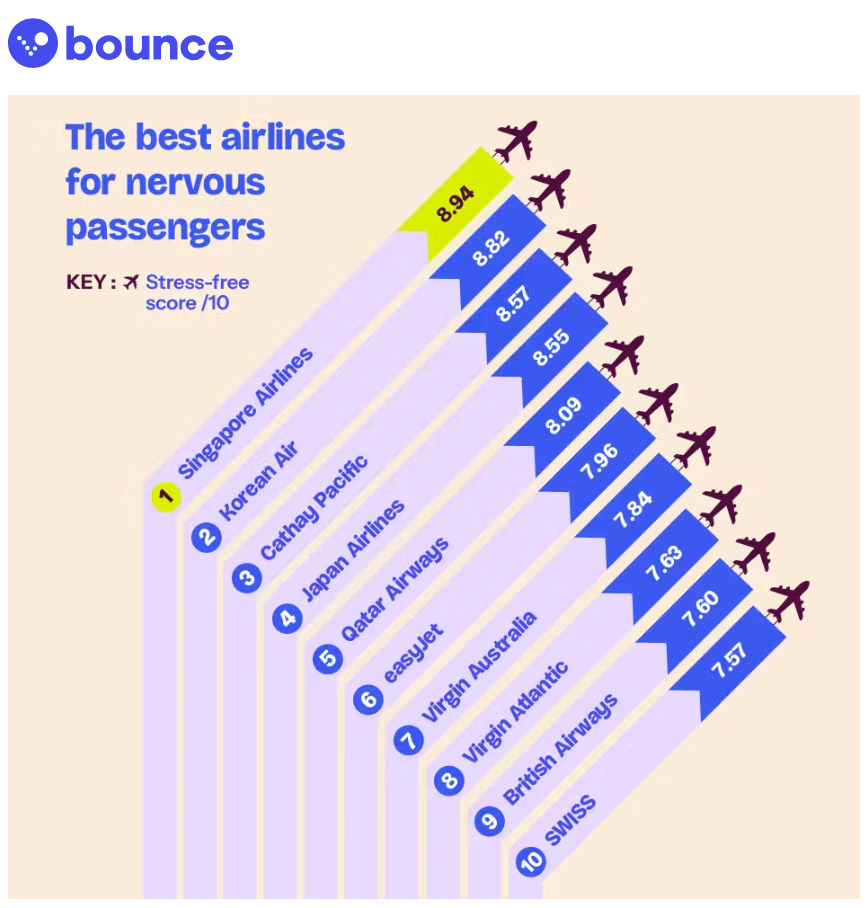
Bounce starts with a real fear, then puts numbers behind it. They surveyed 2,000+ travelers on what makes flying stressful, then compared airline-controllable factors like cabin crew reviews, seat stats, and available support. It reads like a practical guide from someone who gets it, but still feels grounded enough to quote.
What they do best
- Lead with a human pain point that’s universally relatable.
- Mix survey insight with concrete airline comparisons.
- Create a single score that’s easy for media to cite cleanly.
12. Tripadvisor – The Best of the Best Beaches
Campaign type: User-generated ranking
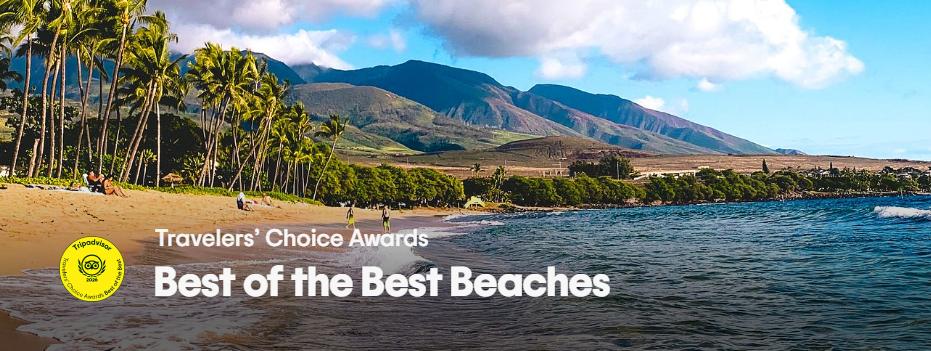
Who doesn’t know Tripadvisor? There’s a reason for that. They make sure they are everywhere with rankings for trending travel destinations, all based on their own proprietary data. And it’s not just the fact that their data is backed by real user searches. They stand by the claim that their “Best of the Best” awards are truly top tier: only 1% of a whopping 8 million listings can claim the designation.
- Turn massive proprietary data into headline-ready rankings.
- Capture organic traffic with a page that serves as both inspo and planning.
- The just let the data speak. Title, methodology and a listicle is all you need when your data is that strong.
13. BookRetreats – Best Places To Visit in USA, Ranked by Data
Campaign type: A data-backed “best of” study
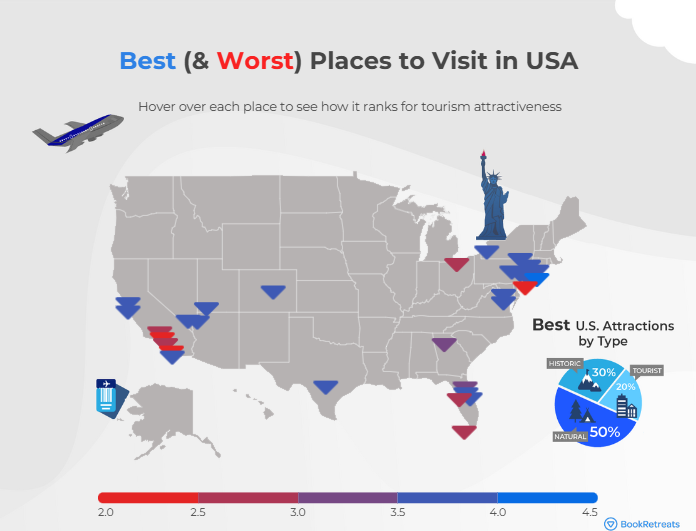
BookRetreats doesn’t just name “the best.” They explain how they scored 77 U.S. points of interest using popularity, overall experience, nearby hotel costs, price complaints, and state safety using 7,500 visitor reviews and 380+ hotel price points. They also publish sources and the dataset, which makes the whole thing easier to trust, and easier for others to reference.
What they do best
- Combine multiple datasets into one clear rating system.
- Tie rankings to real-world friction: cost, complaints, safety.
- Publish the “how” so others can cite it accurately.
How to Package Tourism and Travel PR Campaigns So They Actually Earn Links?
The campaigns above aren’t just clever marketing campaigns, even when they are clever. They are distribution-ready, media-friendly assets.
The difference is packaging: a bit of marketing strategy, a little public relations polish, and a commitment to being genuinely useful for the target audience (aka potential travelers or potential visitors) and the reporters who write about them.
Here’s the playbook travel brands and travel companies can steal:
- Start with one clear message. What’s the one thing you want citations to repeat after reading the content or seeing the data? (Your messaging should fit in a tweet and a headline.)
- Make the data explainable in one line. Reviews, pricing, Google Trends, accessibility, whatever it is, keep the logic skimmable for a rushed reader.
- Design for “proof you can play with.” Sortable tables, maps, filters, downloadable lists, building trust fast through utility.
- Win on visuals. The most linkable travel assets have stunning visuals baked in along with maps, charts, “winner” tiles, and often lightweight video content for sharing.
- Plan the content amplification like a travel marketer. Your content strategy should include:
- a landing page (ideally SEO-first)
- 3–6 supporting posts (category + location variants),
- and a short social media package that gets shared by winners and locals.
- Use people as distribution. If it fits, add user–generated content (reviews, photos) and collaborate with creators (influencer partnerships) who already own the audience.
- Borrow authority from the right partners. Some of the best tourism campaigns come from collaborations / partnerships with a local tourism board or destination marketing org. (If you’re ranking a local or affiliated travel destination, they’ll often amplify if it’s fair and flattering.)
- Choose a seasonal travel hook that feels inevitable. Think “best northern lights getaway,” “most walkable city weekends,” or “most relaxing wellness escape.”
- Measure. Track PR pickup + SEO impact with real metrics (referring domains, links to the hub page, rankings for “best X in Y,” and branded search lift).
This is how you turn travel content into a repeatable engine for travel marketing, tourism marketing, and long-tail discovery, not a one-week wonder.
Conclusion
Value. Authenticity. Romance. Relaxation. Anxiety. Chaos. While there is a wandering element, the common thread is helpfulness with proof. The best travel digital PR ideas don’t look like PR as much as they look like tools, rankings, and mini “studies” people genuinely use.
Take a travel question people already Google or care about, make it measurable, then publish it in a format that’s easy to quote.
If you want to hand-build a data-backed campaign like this, GFD can help. Feel free to reach out.
Appendix: Tourism and Travel Digital PR Campaign Ideas
Frequently Asked Questions
What are the best tourism and travel digital PR campaign ideas in 2026?
The best ideas look like something a traveler would bookmark: a data-backed ranking, a useful tool, or a simple index that makes a fuzzy question measurable. The winners tend to be consumer-first travel PR campaigns with transparent methodology and easy headlines (“best,” “most,” “top,” “worst”). Bonus points if the asset is interactive and built to support SEO.
What makes travel PR campaigns earn links instead of just getting likes on social media?
Links come from utility and proof. If the campaign answers a real planning question (or settles a debate) and the methodology is easy to repeat, writers cite it. Social media helps with reach, but links follow when your story becomes the “source people reference.”
How do travel brands pick a hook that’s shareable but still credible?
Pick a human feeling that people already search for: value, relaxation, romance, or authenticity, for example. Then turn it into a score using defensible inputs (reviews, pricing, search demand). That “vibes into data” move is what turns travel content into something editors can quote and readers trust.
Can tourism boards use these tourism campaign formats too?
Absolutely. A tourism board or destination marketing team can run the same playbook, especially with city-by-city or itinerary-style rankings that create regional angles. Even niche themes (like South African tourism experiences or a South Africa “best of” list) can earn big pickup if the data is clean and the story is genuinely helpful.
How do you choose the right travel destination angle for a data-backed campaign?
Start with your target audience and what they’re planning right now: weekenders, families, skiers, wellness travelers, budget travelers. Then match it to a defensible dataset (reviews, bookings, Google Trends, accessibility metrics).
Where do influencer collaborations fit in travel digital PR?
Use an influencer to amplify the campaign, not to replace the methodology. The link magnet is still the ranking/tool/index; the creator package is the distribution layer. The best approach is light-touch: creators react to the findings, show the experience, and point people back to the source.
What role do content marketing and SEO play in tourism and travel digital PR?
They’re the difference between a spike and a compounding asset. Great content marketing turns one campaign into a hub + supporting pages that rank for long-tail queries. Great SEO makes sure all that coverage actually sends traffic to a page designed to convert or build demand.
How do you measure success for travel PR campaigns?
We typically track: number and quality of referring domains, links to the campaign hub, and media pickup. If you want a clean “did this work?” signal: look for sustained organic traffic to the landing page after the news cycle ends.





Leave a Reply