
Housing has always been sold as the American dream.
For decades, it meant more than signing a mortgage. It meant feeling settled. Whether you rent or own, where you live shapes how you live.
So where does that leave brands in real estate? Right in the middle of the conversations people are already having. And when an industry sits at the center of questions about whether to move for a job, why rent jumped again or about whether buying still makes sense, it creates real opportunity for smart digital PR.
And as BuzzStream’s recent State of Digital PR report shows, brands investing in digital PR are seeing measurable results in visibility, links, and coverage, making it an increasingly core marketing lever in 2026.
Some brands publish monthly stats: prices, rents, and inventory. Useful updates that leave the interpretation to someone else. Others dig into what those shifts say about real life. Like, why buying feels harder, why renters feel squeezed, and why fewer people are relocating.
What we love is when data stops feeling like data and starts to mean something. That’s the difference between publishing updates and telling stories.
Below are standout real estate digital PR campaigns and what they show about turning housing data into coverage that reaches far beyond the trade press.
What Works Best for Real Estate Digital PR
- The right pop culture crossovers travel fast (Agent Advice proved that).
- Rankings that can be localized give journalists an easy entry point, which is why they scale coverage so effectively.
- Well-timed forecasts and predictions tend to capture national attention when audiences are already looking ahead.
- Stories that highlight financial pressure, like shrinking middle-class thresholds, rising debt, declining mobility, resonate more than neutral market updates ever will.
- In real estate, location isn’t a detail, it’s everything. The more specific you get (city, ZIP code, and even neighborhood), the more meaningful and media-ready the data becomes.
1. Agent Advice – Bridgerton Home Value Study
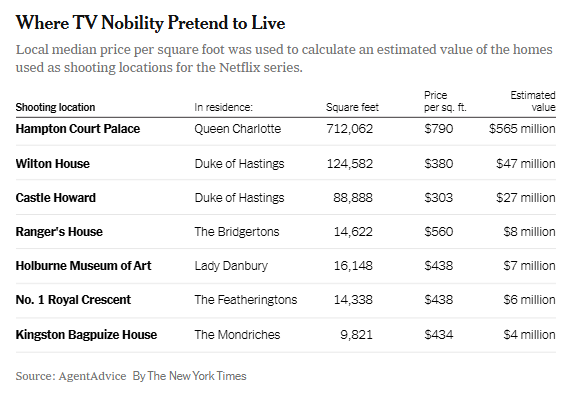
Type of Campaign: Pop culture property valuation study
Agent Advice leans into cultural relevance better than most real estate brands, and the Bridgerton valuation study proves it. Instead of publishing another market update, they reverse-engineered fantasy estates into modern housing prices blending entertainment, aspiration, and affordability tension into one highly clickable data story. It’s real estate digital PR that travels beyond real estate news and can be shared around the world, across lifestyle beats, and was even featured in New York Times.
Here’s what they do best:
- Turn pop culture into property valuation narratives.
- Bridge entertainment and economics seamlessly.
- Earn tier-one coverage by tapping mainstream curiosity.
- Reframe housing affordability through fantasy comparison.
- Keep the campaign lightweight by leaving it a purely pitched data asset, i.e., no landing page.
2. Construction Coverage – Cities Where the Construction Industry Depends Most on Foreign Workers
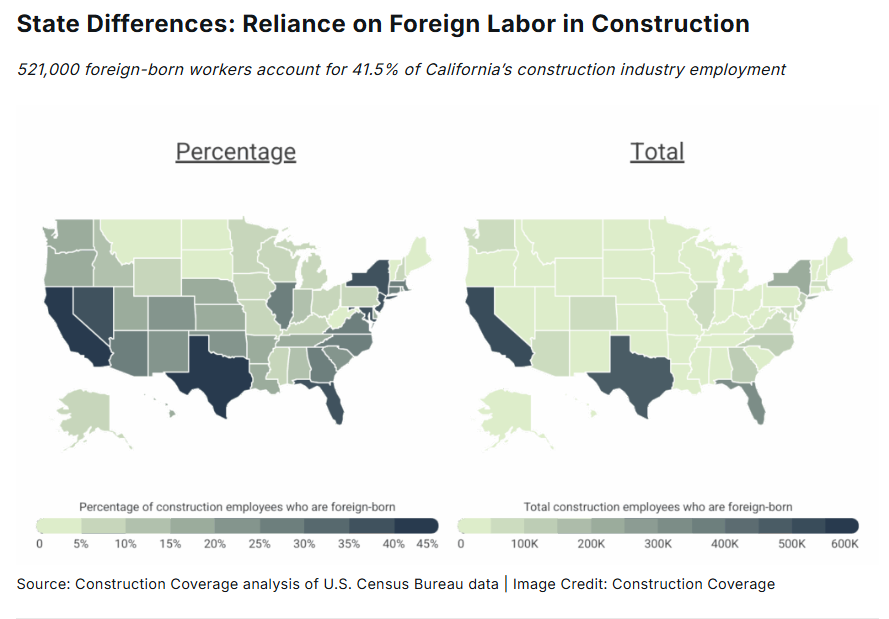
Type of Campaign: Multi-metric city and state ranking data analysis (labor economics)
Construction Coverage excels at connecting housing supply to labor realities, and this study shows how. By ranking cities based on dependence on foreign construction workers, they turn workforce data into a broader housing affordability and policy conversation. It’s not just about construction, it’s about what keeps housing markets functioning at a time when foreign workers are a delicate topic.
Here’s what they do best:
- Use public labor data to tell housing supply stories.
- Build metro-level rankings with clear methodology.
- Tie workforce trends to affordability implications.
- Position industry data inside national policy debates.
3. Clever – Why Are Houses So Expensive?
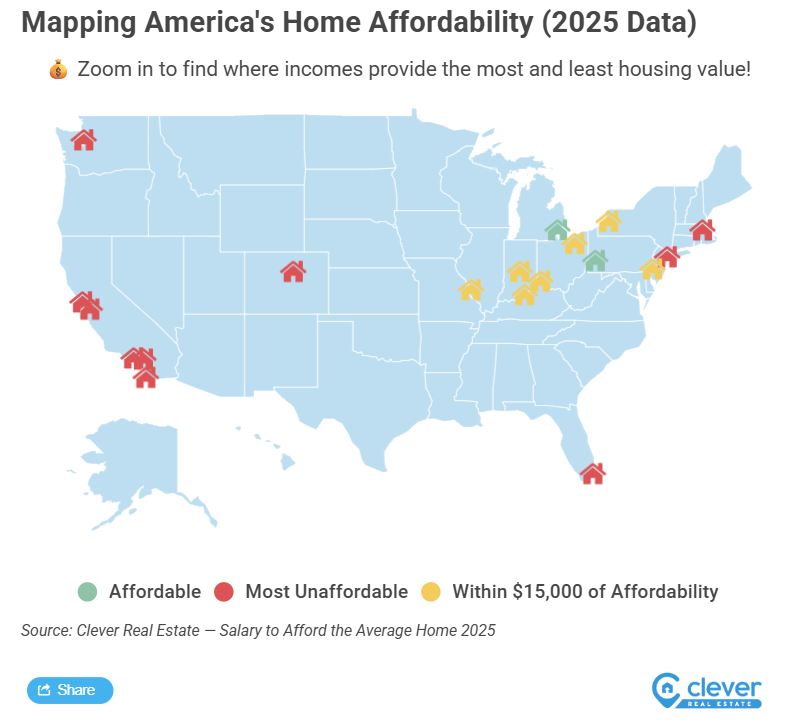
Type of Campaign: Affordability data analysis
Clever consistently transforms high-intent search topics into data-backed studies, and this affordability piece is a prime example. Rather than offering generic budgeting advice, they frame income thresholds and home price realities as a structured, research-driven narrative that doubles as both SEO asset and PR hook.
Here’s what they do best:
- Turn an oft-searched question into linkable research.
- Tie affordability to emotional buying tension.
- Blend practical utility with data framing.
- Anchor the story in income realities by state.
4. LendingTree – From Rate Cuts to Rising Debt: What 2026 Will Look Like for Your Wallet
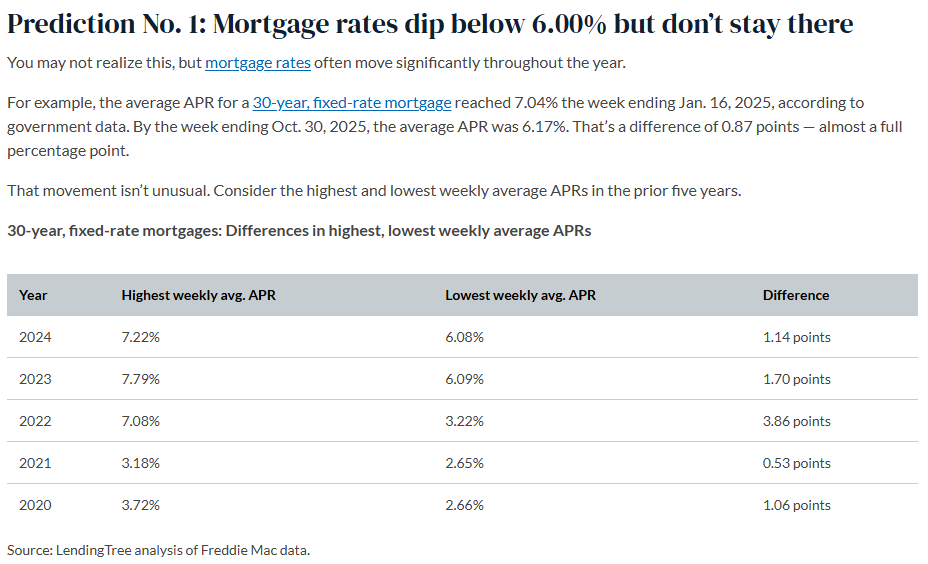
Type of Campaign: Housing + economic forecast
LendingTree plays the long game with predictive economic storytelling, and this 2026 outlook shows how housing becomes a wallet-level story. Instead of isolating mortgage rates, they connect debt, inflation, and financial pressure into a forward-looking narrative that journalists can quote and consumers can feel. We’ve already seen prediction #1 come true.
Here’s what they do best:
- Release forecasts at high-news-value calendar moments.
- Connect housing to broader financial anxiety.
- Blend survey sentiment with macroeconomic data.
- Provide quotable predictions for business media.
5. Point2Homes – US Mobility Rates Reach Record Low
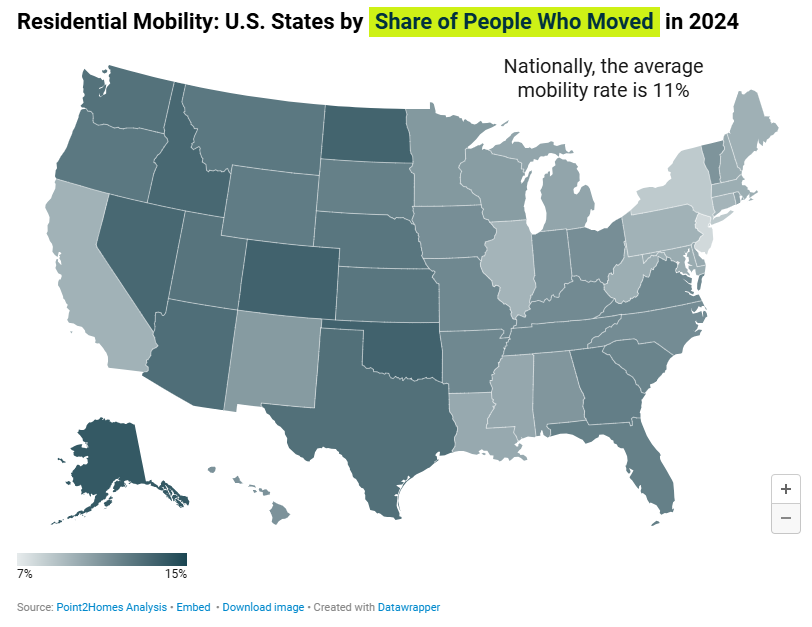
Type of Campaign: Census-based behavioral trend data analysis
Point2Homes stands out by turning mobility data into cultural commentary. This study doesn’t just report declining movement; it reframes it as a structural shift in how Americans live, work, and buy homes. It’s behavioral housing data, which often travels further than price stats alone.
Here’s what they do best:
- Translate Census data into digestible narratives.
- Tie movement trends to affordability pressure.
- Create national stories with local pitching angles.
- Spotlight cultural shifts inside housing metrics.
6. Rocket Mortgage – Neighbors Want Deeper Connections
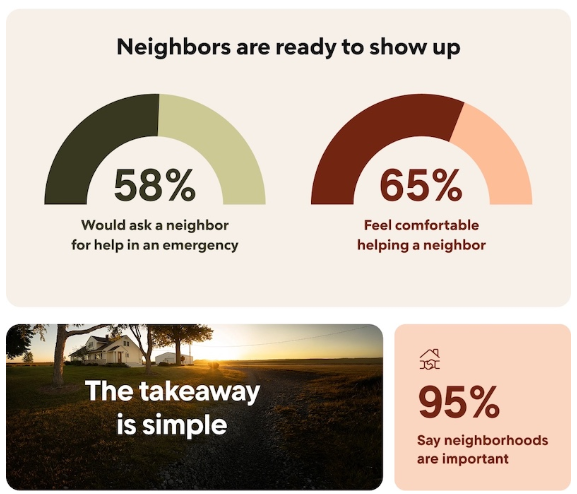
Type of Campaign: Survey-driven lifestyle study
Rocket Mortgage moves beyond rates and refinances with this community-focused survey. By exploring how Americans feel about neighborly connection, they shift housing from transactional to emotional. Ultimately, reminding audiences that homeownership is social infrastructure, not just an asset class.
Here’s what they do best:
- Humanize housing through lifestyle data.
- Use survey findings for headline-ready stats.
- Expand beyond purely financial framing.
- Tie the community sentiment to housing decisions.
7. Realtor.com – America’s Most Expensive ZIPs 2026
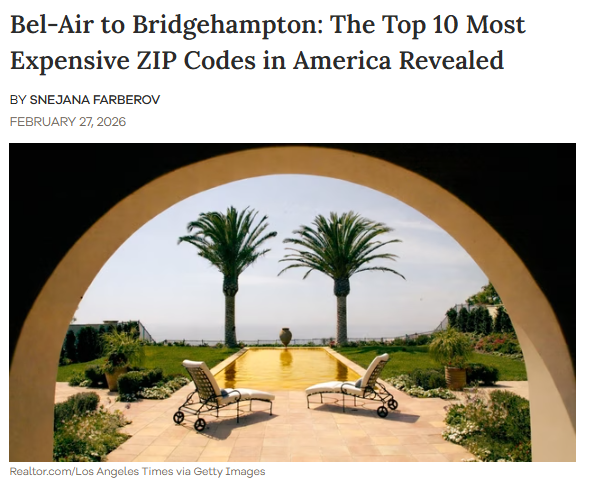
Type of Campaign: ZIP-level luxury ranking
Realtor.com understands the power of micro-location storytelling, and this ZIP-level ranking demonstrates it. Instead of broad state comparisons, they zero in on wealth concentration at the ZIP code level, framing it as a trend report and giving local media immediate relevance and competitive framing.
Here’s what they do best:
- Use ZIP codes for hyper-local coverage.
- Create competitive ranking tension.
- Refresh annually for recurring pickup.
- Combine luxury narrative with hard data.
8. Redfin – Median Homebuying Age 2025
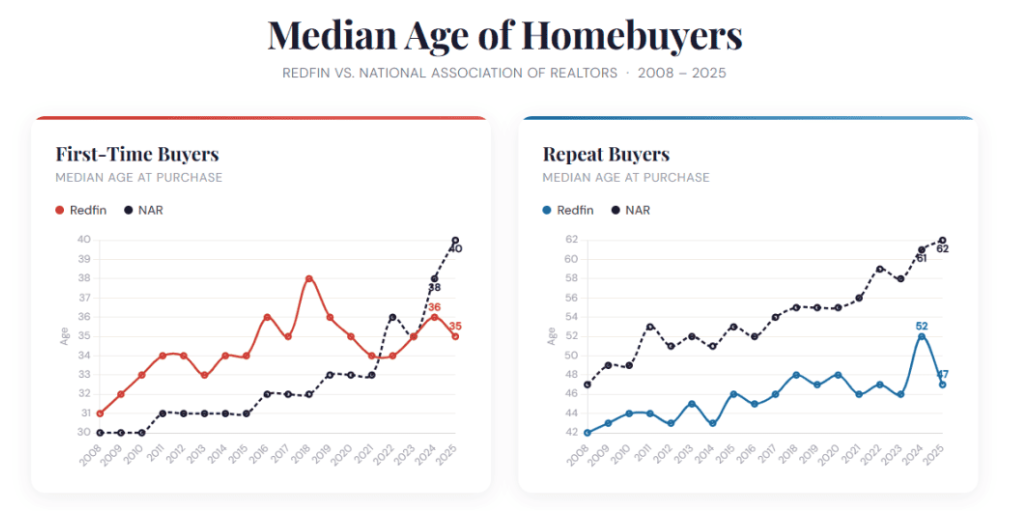
Type of Campaign: Demographic trend analysis
Redfin excels at blending transaction data with demographic storytelling, and this median homebuying age report proves it. By spotlighting how much older buyers are repeat buyers and contrasting that with the median age of first-time buyers, they flip the story of buyer age into two different ones.
Here’s what they do best:
- Combine internal transaction data with surveys.
- Frame generational inequality clearly.
- Create cultural debate beyond housing media.
- Provide clean, quotable statistics.
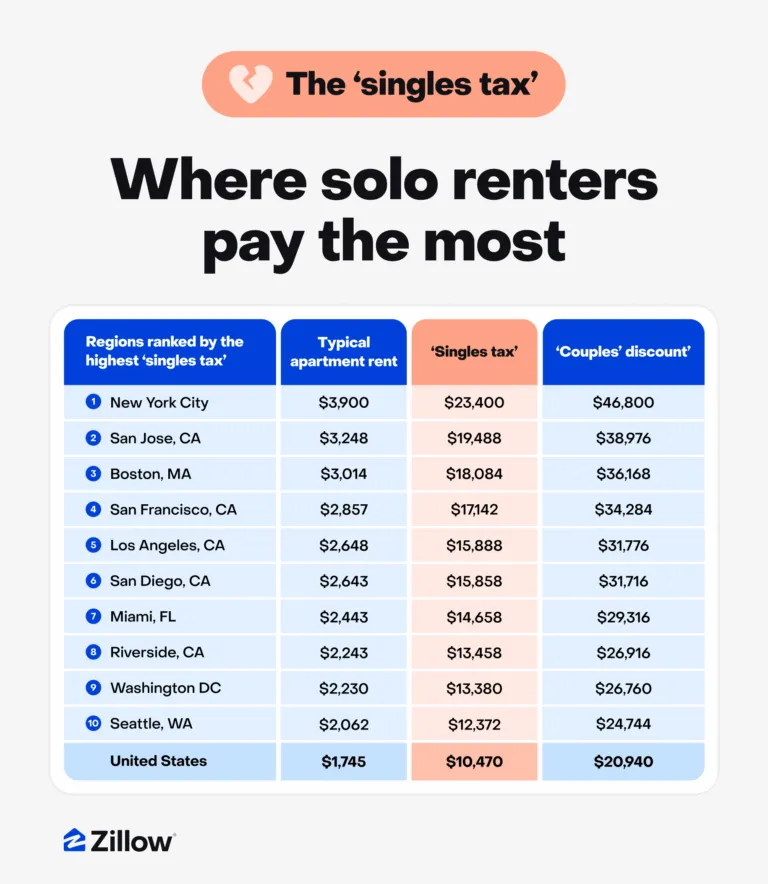
9. Zillow – The Price of Going Solo: The $10,000 ‘Singles Tax’
Type of Campaign: Timely data study
Zillow regularly publishes housing forecasts and index updates, but this Valentine’s Day campaign shows how they go beyond standard market reporting. Instead of focusing on home values alone, they analyzed what single buyers effectively pay compared to couples. By tying housing affordability to Valentine’s Day, they turned a pricing gap into a timely cultural conversation.
Zillow has built one of the strongest recurring data engines in real estate, and its research hub exemplifies it. Rather than publishing one-off updates, Zillow sustains authority through consistent index updates and forward-looking predictions powered by proprietary valuation data.
Here’s what they do best:
- Attach proprietary housing data to a newsworthy calendar moment.
- Turn affordability gaps into a headline-ready narrative.
- Connect economic data to lifestyle identity.
- Create a story that works for both business desks and lifestyle reporters.
10. PropertyShark – NYC Foreclosure Report
Type of Campaign: Hyper-local foreclosure tracking report
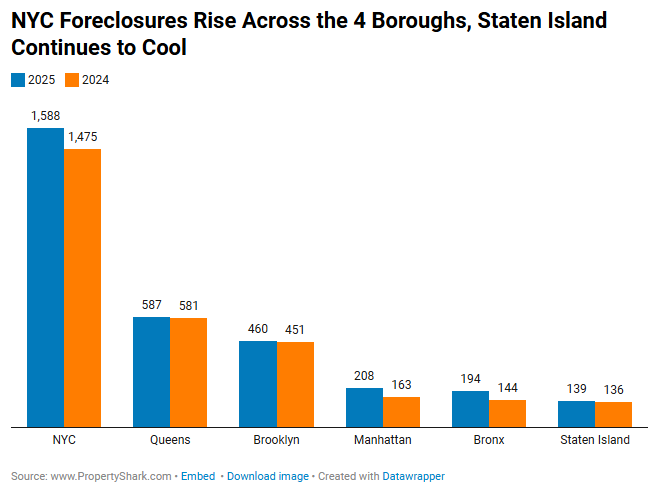
PropertyShark wins by going deep instead of wide. Their NYC foreclosure report focuses intensely on one metro market, positioning them as a recurring authority source for distress and transaction-level reporting. They score an incredible amount of links for such a targeted local report, landing coverage across hyper-local news outlets as well as Bloomberg and a range of national real estate industry publications.
Here’s what they do best:
- Own a specific metro market thoroughly.
- Publish recurring data with historical comparison.
- Provide borough-level breakdowns.
- Serve both investor and local media audiences.
Conclusion
The strongest real estate digital PR campaigns don’t just publish information. They tap into tension.
Some compare fantasy to reality. Some rank cities and ZIP codes in ways that spark competition. They forecast what’s coming next. They surface the financial pressure people are already feeling and give it context.
Because housing isn’t just a market. It’s where income meets ambition. Where mobility slows or accelerates. Where generational wealth is built — or strained.
The brands that win in this space understand that. They don’t just report what happened this month. They explain what it means and why it matters now.
If you’re building in real estate and want your next campaign to earn coverage beyond industry media, the opportunity isn’t in publishing more data. It’s in telling the right story with it.
Appendix: Real Estate Digital PR Campaign Examples (Table)
| Brand | Campaign | Format | Primary Hook | URL |
|---|---|---|---|---|
| Agent Advice | Bridgerton Home Value Study | Pop Culture Property Valuation Study | Cultural crossover + fantasy-to-market affordability tension | https://www.nytimes.com/2024/06/13/realestate/bridgerton-home-value-estimate.html |
| Construction Coverage | Cities Where the Construction Industry Depends Most on Foreign Workers | Multi-Metric City & State Ranking | Labor economics + housing supply pressure | https://constructioncoverage.com/research/cities-where-the-construction-industry-depen |
| Clever | Why Are Houses So Expensive? | Affordability Data Analysis | Income tension + cost-of-living reality | https://listwithclever.com/research/why-are-houses-so-expensive/ |
| LendingTree | From Rate Cuts to Rising Debt: What 2026 Will Look Like for Your Wallet | Housing + Economic Forecast | Macro economy + consumer financial pressure | https://www.lendingtree.com/home/mortgage/housing-economy-expectations-study/ |
| Point2Homes | US Mobility Rates Reach Record Low | Census-Based Behavioral Trend Analysis | Migration slowdown + structural housing shift | https://www.point2homes.com/news/research/us-mobility-rates-reach-historical-low.html |
| Rocket Mortgage | Neighbors Want Deeper Connections | Survey-Driven Lifestyle Study | Community sentiment + emotional homeownership | https://www.rocketmortgage.com/learn/neighbors-want-deeper-connections |
| Realtor.com | America’s Most Expensive ZIPs 2026 | ZIP-Level Luxury Ranking | Wealth concentration + hyper-local competition | https://www.realtor.com/research/americas-most-expensive-zips-2026/ |
| Redfin | Median Homebuying Age 2025 | Demographic Trend Analysis | Generational wealth + buyer age divide | https://www.redfin.com/news/median-homebuying-age-2025/ |
| Zillow | The Price of Going Solo: The $10,000 “Singles Tax” | Timely Data Study | Affordability gap + Valentine’s Day news hook | https://www.zillow.com/research/singles-tax-2024/ |
| PropertyShark | NYC Foreclosure Report | Hyper-Local Market Report | Distress data + borough-level insights | https://www.propertyshark.com/Real-Estate-Reports/nyc-foreclosure-report/ |
FAQs
What is digital PR in real estate?
Digital PR in real estate is the practice of creating data-driven studies, rankings, surveys, or forecasts that earn media coverage and backlinks. Instead of promoting listings or services directly, brands publish research that journalists want to cite. This builds authority, organic visibility, and long-term search equity. To learn more, here’s our 18-step digital PR strategy and process.
Digital PR supports real estate marketing strategy by driving earned media, high-authority backlinks, and brand visibility beyond paid channels. While traditional marketing focuses on ads or social media, digital PR builds credibility and search demand through original data storytelling.
What types of real estate campaigns earn the most coverage?
Rankings, forecasts, and hyper-local studies tend to perform best. ZIP-code analyses, demographic trend reports, affordability studies, and economic predictions give journalists clear headlines and localized angles. Campaigns that tap into financial pressure or cultural tension often travel further than neutral market updates.
Are data-driven campaigns better than traditional real estate content?
For media coverage and backlinks, yes. Traditional blog posts answer questions. Data-driven campaigns create news, and sometimes also answer critical questions. When real estate brands publish original research, they give reporters something to reference, not just read.
Can smaller real estate brands run digital PR campaigns?
Absolutely. In fact, hyper-local focus can outperform national competition. A brokerage that owns foreclosure trends in one city or tracks neighborhood price shifts quarterly can build stronger authority locally than larger brands spreading themselves too thin.





Leave a Reply