
What Works Best for Real Estate Digital PR
- The right pop culture crossovers travel fast.
- Location is everything in real estate. The more specific you get (state, city, ZIP code) the more meaningful the data becomes, especially for earning local coverage.
- Well-timed forecasts and predictions tend to capture national attention when audiences are already looking ahead.
- Stories that highlight financial anxiety and tension often resonate more than neutral data stories.
1. Agent Advice – Bridgerton Home Value Study
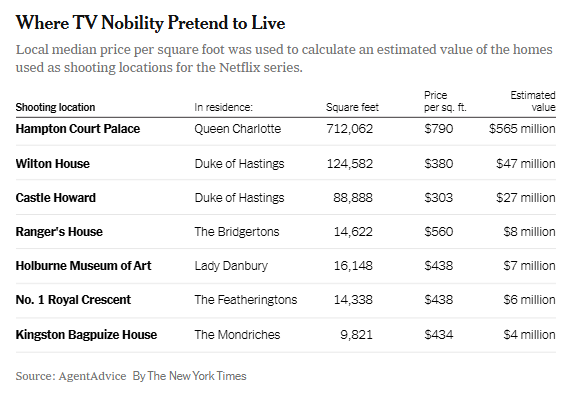
Type of Campaign: Pop culture + real estate data study
Agent Advice hooks into Bridgerton buzz by asking: What would the swoon-worthy estates featured on this Netflix series cost today?
It’s real estate digital PR that appeals not just to housing journalists but lifestyle, entertainment, and culture beats as well. It was even featured in the New York Times.
Here’s what they do best:
- Pivot pop culture into a real estate story.
- Bridges fantasy homes to real-world housing prices.
- Reaches beyond the real estate beat.
- Gives reporters a fun and data-backed story.
- Keep the campaign lightweight by leaving it a purely pitched data asset, i.e., no landing page.
2. Construction Coverage – Cities Where the Construction Industry Depends Most on Foreign Workers
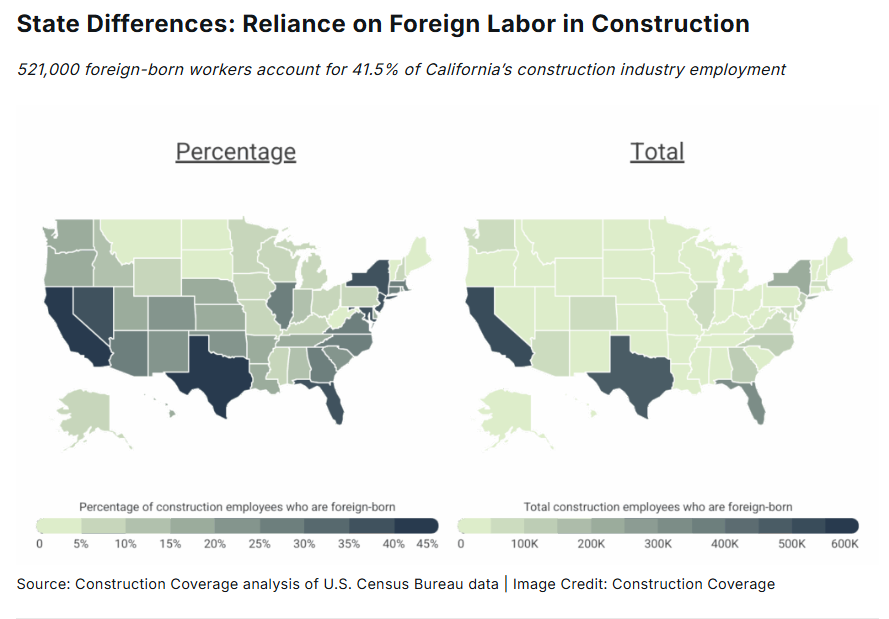
Type of Campaign: City and state ranking data analysis
This study from Construction Coverage looks into the data at the of cross-section of housing supply and construction labor. The study ranks cities by how much their construction industries rely on foreign-born workers. It’s highly relevant to their audience and taps into a hot policy topic. Housing reporters can use it to talk about supply. Labor reporters can use it to talk about workforce gaps. Policy reporters can use it to connect immigration debates to the real estate market.
Here’s what they do best:
- Connect construction labor to the housing supply story.
- Localize a national labor issue for metro reporters.
- Tie immigration and labor debates to real estate affordability.
3. Clever – Why Are Houses So Expensive?
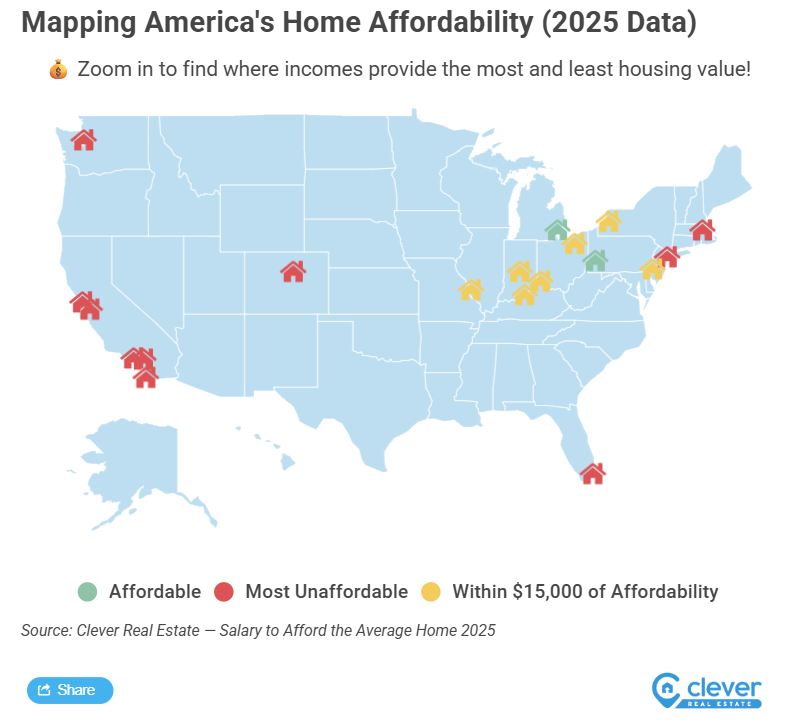
Type of Campaign: Affordability data analysis
Clever takes a question millions of people are already asking and cleverly turns it into a data-backed story. Instead of giving a generic explanation for high home prices, the piece breaks affordability down through income, home values, and both city-by-city and state-by-state realities. That makes the article useful for journalists and readers trying to understand their local market.
Here’s what they do best:
- Turn an oft-searched question into linkable research.
- Ground housing frustration in real income and price data.
- Make affordability easy to compare by state and city.
- Give reporters numbers that explain why homeownership feels out of reach.
4. LendingTree – From Rate Cuts to Rising Debt: What 2026 Will Look Like for Your Wallet
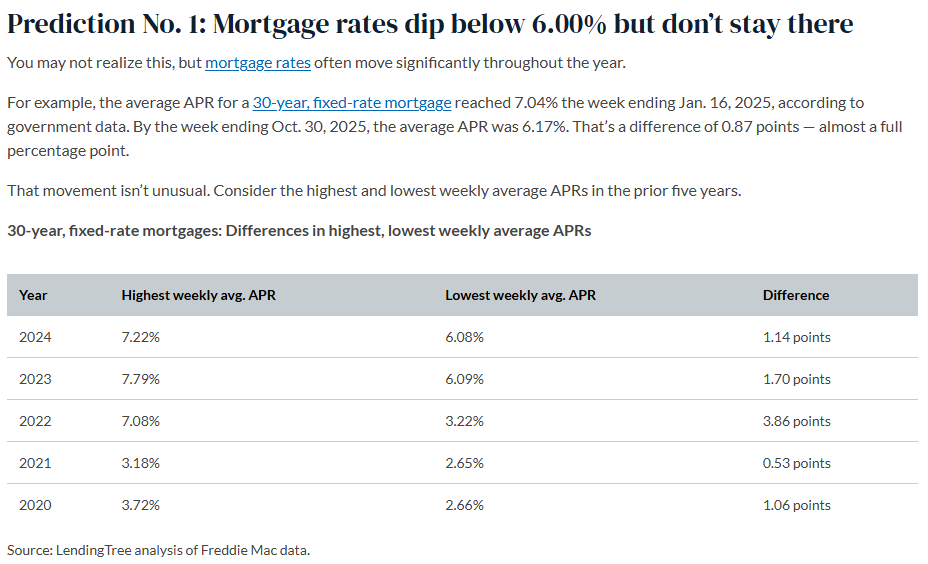
Type of Campaign: Housing + economic forecast
LendingTree provides a series of predictions for 2026, in which they frame housing as part of the bigger personal finance story.
In it, they connect mortgage rates with debt, inflation, and everyday costs. It’s relevant for business, housing, and personal finance reporters. We’ve already seen prediction #1 come true.
Here’s what they do best:
- Connect housing anxiety to broader financial anxiety.
- Release forecasts at high-news-value calendar moments (end of December).
- Blend survey sentiment with macroeconomic data.
- Give business and personal finance writers clear and quotable predictions to cite.
5. Point2Homes – US Mobility Rates Reach Record Low
Type of Campaign: Census-based behavioral trend data analysis
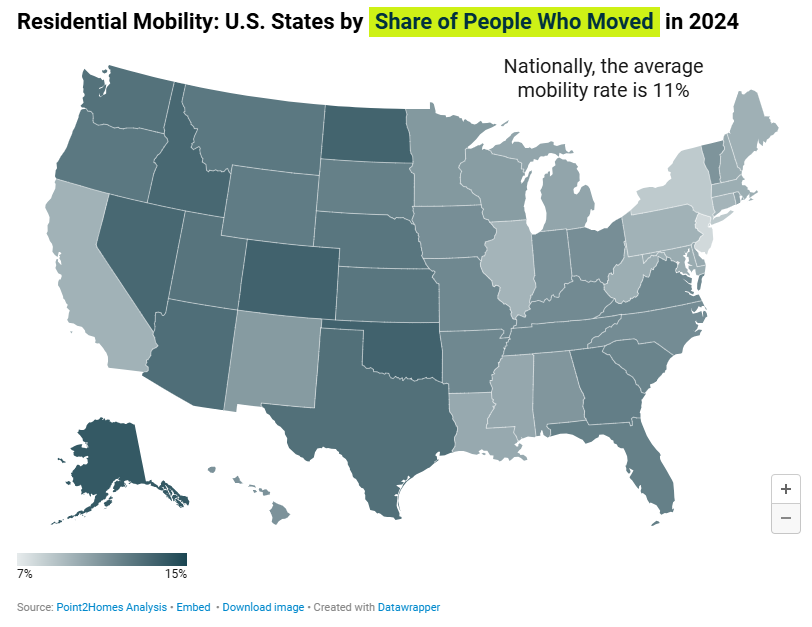
Point2Homes turns Census mobility data into a bigger story about how Americans are living now.
It doesn’t dwell on the well-known drop in American relocations, it instead looks for the why. And that’s often what journalists want to know, too. So, the analysis connects the slowdown to affordability, housing constraints, and a broader shift in how people make decisions about where to live.
Here’s what they do best:
- Explain why Americans are staying put, not just that they are.
- Tie movement trends to affordability pressure.
- Create national stories with local pitching angles.
6. Rocket Mortgage – Neighbors Want Deeper Connections
Type of Campaign: Survey-driven lifestyle study
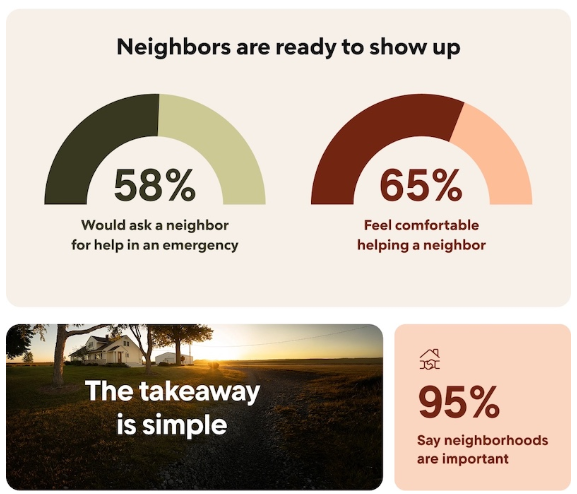
Rocket Mortgage takes to a survey to ask people: how do you feel about your neighbors and communities?
The survey shifts the conversation away from rates, refinancing, and home prices, and toward what people want from the places they live. That gives the campaign a softer lifestyle angle while still tying back to homeownership and housing decisions.
Here’s what they do best:
- Humanize housing through lifestyle data.
- Use survey findings for headline-ready, homeowner-driven stats.
- Connect neighborhood connection to housing decisions.
- Give lifestyle and local reporters an easy emotional hook.
7. Realtor.com – America’s Most Expensive ZIPs 2026
Type of Campaign: ZIP-level luxury ranking
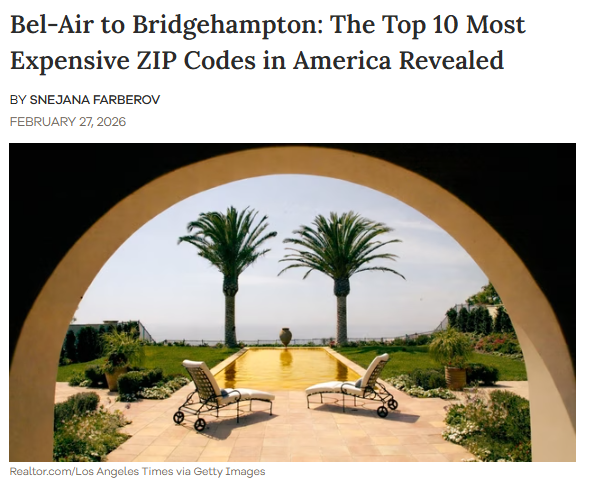
Realtor.com understands the power of micro-location storytelling, and this ZIP-level ranking demonstrates it. Instead of looking only at expensive cities or states, the report ranks the priciest ZIP codes. That level of detail gives local reporters an immediate angle and gives readers a more specific look at where wealth is concentrated.
Here’s what they do best:
- Get hyper-local by looking at ZIP codes.
- Turn luxury real estate into a hyper-local story.
- Create built-in competition between high-priced neighborhoods.
- Give local reporters an instant “did our ZIP make the list?” angle.
8. Redfin – Median Homebuying Age 2025
Type of Campaign: Demographic trend analysis
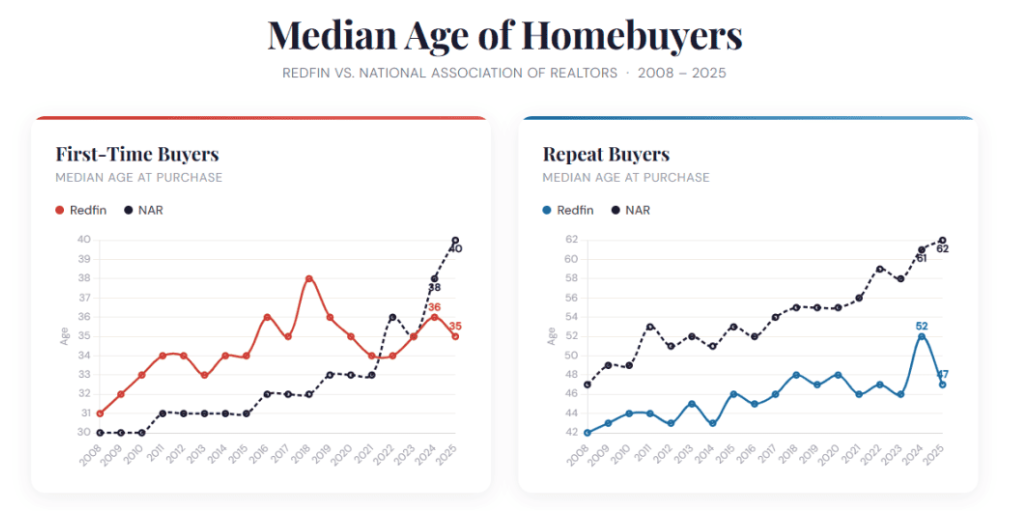
Redfin uses homebuying age to tell a story about affordability and generational inequality.
The report shows how different the market looks for first-time buyers compared with repeat buyers. That gives the data more meaning than a simple age statistic. It becomes a story about who can still afford to buy, who is being delayed, and how wealth shapes access to homeownership.
Here’s what they do best:
- Turn buyer age data into a generational wealth story.
- Separate first-time buyers from repeat buyers to sharpen the contrast.
- Show how affordability delays access to homeownership.
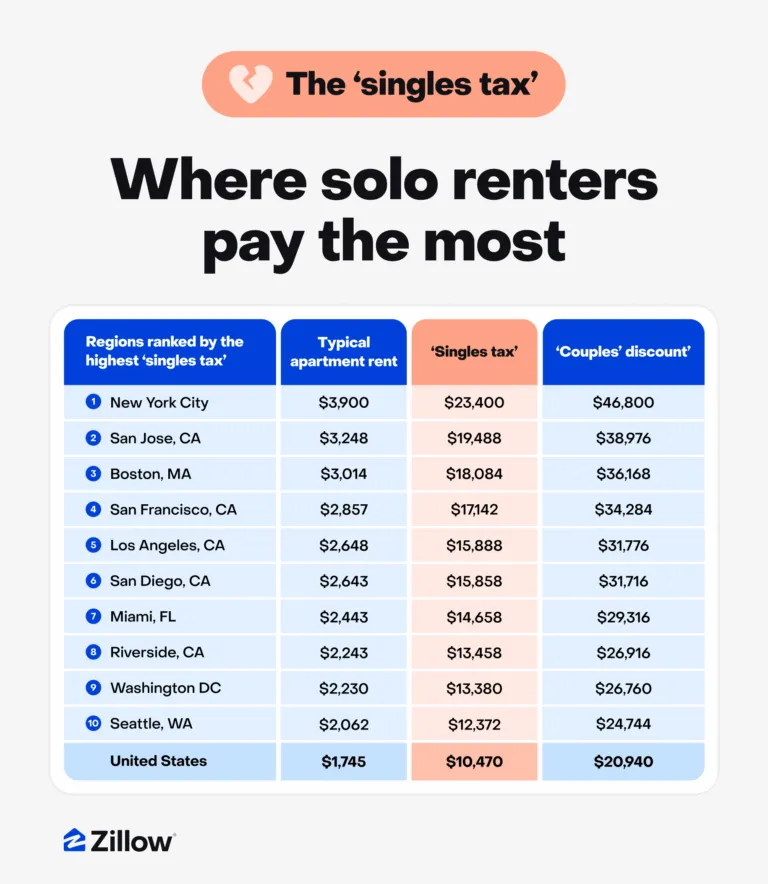
9. Zillow – The Price of Going Solo: The $10,000 ‘Singles Tax’
Type of Campaign: Timely data study
Zillow turns housing affordability into a timely Valentines Day lifestyle story with its “singles tax” study.
The report looks at what single renters effectively pay compared with couples. Timing it with Valentine’s Day makes the data feel more personal and gives reporters a extra reason to cover an affordability story when the holiday may be dominating the news.
Here’s what they do best:
- Turn rent data into a relationship story.
- Tie the affordability gap to a holiday.
- Make housing costs feel personal.
- Give business and lifestyle reporters a shared reason to cover the story.
10. PropertyShark – NYC Foreclosure Report
Type of Campaign: Hyper-local foreclosure tracking report
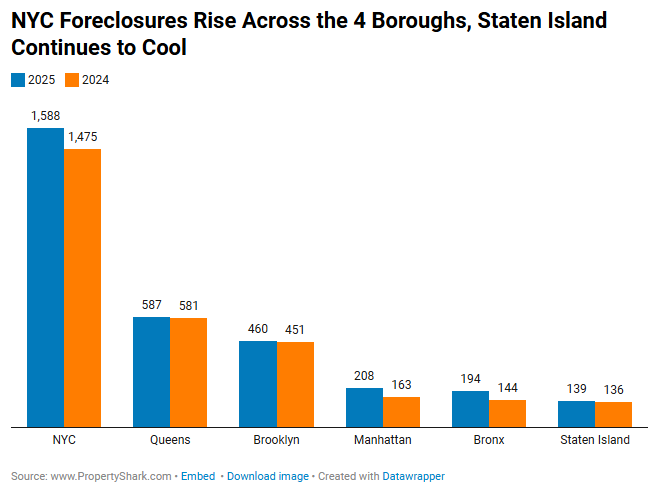
PropertyShark’s NYC foreclosure report gives local reporters recurring data on foreclosure activity, with borough-level detail and historical context. They proved the model works by score an incredible amount of links for such a targeted local report, landing coverage across hyper-local news outlets as well as Bloomberg and a range of national real estate industry publications.
Here’s what they do best:
- Own one metro market with depth.
- Publish recurring data with historical comparison.
- Break the story down by borough for stronger local relevance.
- Serve local, investor, trade, and national media with one focused report.
Conclusion
The strongest real estate digital PR campaigns don’t just publish housing costs. They tap into the stories that the data tells.
Some compare fantasy to reality. Some rank home costs and ZIP codes in ways that spark competition. They forecast what’s coming next. They surface the financial pressure people are already feeling and give it context.
Because housing isn’t just about a house, it’s about a home. It’s about the American Dream. The brands that win in this space understand that. They don’t just report what happened this month. They explain what it means and why it matters now.
If you’re building real estate content and want your next campaign to earn coverage, the opportunity isn’t in publishing some data. It’s in telling the right story with it.
Appendix: Real Estate Digital PR Campaign Examples (Table)
| Brand | Campaign | Format | Primary Hook | URL |
|---|---|---|---|---|
| Agent Advice | Bridgerton Home Value Study | Pop Culture Property Valuation Study | Cultural crossover + fantasy-to-market affordability tension | https://www.nytimes.com/2024/06/13/realestate/bridgerton-home-value-estimate.html |
| Construction Coverage | Cities Where the Construction Industry Depends Most on Foreign Workers | Multi-Metric City & State Ranking | Labor economics + housing supply pressure | https://constructioncoverage.com/research/cities-where-the-construction-industry-depen |
| Clever | Why Are Houses So Expensive? | Affordability Data Analysis | Income tension + cost-of-living reality | https://listwithclever.com/research/why-are-houses-so-expensive/ |
| LendingTree | From Rate Cuts to Rising Debt: What 2026 Will Look Like for Your Wallet | Housing + Economic Forecast | Macro economy + consumer financial pressure | https://www.lendingtree.com/home/mortgage/housing-economy-expectations-study/ |
| Point2Homes | US Mobility Rates Reach Record Low | Census-Based Behavioral Trend Analysis | Migration slowdown + structural housing shift | https://www.point2homes.com/news/research/us-mobility-rates-reach-historical-low.html |
| Rocket Mortgage | Neighbors Want Deeper Connections | Survey-Driven Lifestyle Study | Community sentiment + emotional homeownership | https://www.rocketmortgage.com/learn/neighbors-want-deeper-connections |
| Realtor.com | America’s Most Expensive ZIPs 2026 | ZIP-Level Luxury Ranking | Wealth concentration + hyper-local competition | https://www.realtor.com/research/americas-most-expensive-zips-2026/ |
| Redfin | Median Homebuying Age 2025 | Demographic Trend Analysis | Generational wealth + buyer age divide | https://www.redfin.com/news/median-homebuying-age-2025/ |
| Zillow | The Price of Going Solo: The $10,000 “Singles Tax” | Timely Data Study | Affordability gap + Valentine’s Day news hook | https://www.zillow.com/research/singles-tax-2024/ |
| PropertyShark | NYC Foreclosure Report | Hyper-Local Market Report | Distress data + borough-level insights | https://www.propertyshark.com/Real-Estate-Reports/nyc-foreclosure-report/ |
FAQs
What is digital PR in real estate?
Digital PR in real estate is the practice of creating data-driven studies, rankings, surveys, or forecasts that earn media coverage and backlinks. Instead of promoting listings or services directly, brands publish research that journalists want to cite. This builds authority, organic visibility, and long-term search equity. To learn more, here’s our 18-step digital PR strategy and process.
Digital PR supports real estate marketing strategy by driving earned media, high-authority backlinks, and brand visibility beyond paid channels. While traditional marketing focuses on ads or social media, digital PR builds credibility and search demand through original data storytelling.
What types of real estate campaigns earn the most coverage?
Rankings, forecasts, and hyper-local studies tend to perform best. ZIP-code analyses, demographic trend reports, affordability studies, and economic predictions give journalists clear headlines and localized angles. Campaigns that tap into financial pressure or cultural tension often travel further than neutral market updates.
Are data-driven campaigns better than traditional real estate content?
For media coverage and backlinks, yes. Traditional blog posts answer questions. Data-driven campaigns create news, and sometimes also answer critical questions. When real estate brands publish original research, they give reporters something to reference, not just read.
Can smaller real estate brands run digital PR campaigns?
Absolutely. In fact, hyper-local focus can outperform national competition. A brokerage that owns foreclosure trends in one city or tracks neighborhood price shifts quarterly can build stronger authority locally than larger brands spreading themselves too thin.
Update Log:
- June 30, 2026: Light updates to copy to clarify takeaways.
- Apr 21, 2026: Light updates to intro + added new sections
- First published March 2, 2026





Leave a Reply