
We’ve firewall-ed the noise and collected some of the best cybersecurity digital PR campaign examples that are built for how the industry actually works now.
Few brands capture that better than Wiz, recently acquired by Google for $32 billion. Not because creative marketing alone drives deals, but because it shows how powerful it is when a cybersecurity brand becomes easier to understand, easier to talk about, and harder to ignore. Ultimately, Wiz is a reminder that cybersecurity marketing doesn’t have to be a bore.
And so, it’s not surprising that we see more and more digital PR campaigns in the cybersecurity industry that are maps, rankings, interactive tools, and, ultimately, clear narratives that journalists can shape into a headline. Here we’ve collected some of the strongest cybersecurity digital PR campaigns showing exactly what that looks like.
What makes these among the best cybersecurity industry digital PR campaign ideas in 2026?
- Geo-driven storytelling wins coverage: State, city, and regional rankings create instant local headlines
- Stories rooted in human behavior: Passwords, scams, and habits outperform purely technical insights
- Utility drives links and return visits: Maps, indexes, and interactive tools outperform static PDFs
- Future-focused narratives stand out: AI, infrastructure, and emerging threats cut through crowded news cycles
- Simple methodology, stated from the start: If it can be explained in one sentence, it travels further
1. Wiz — AI Agents vs Humans: Who Wins at Web Hacking in 2026?
Campaign type: AI vs human experiment
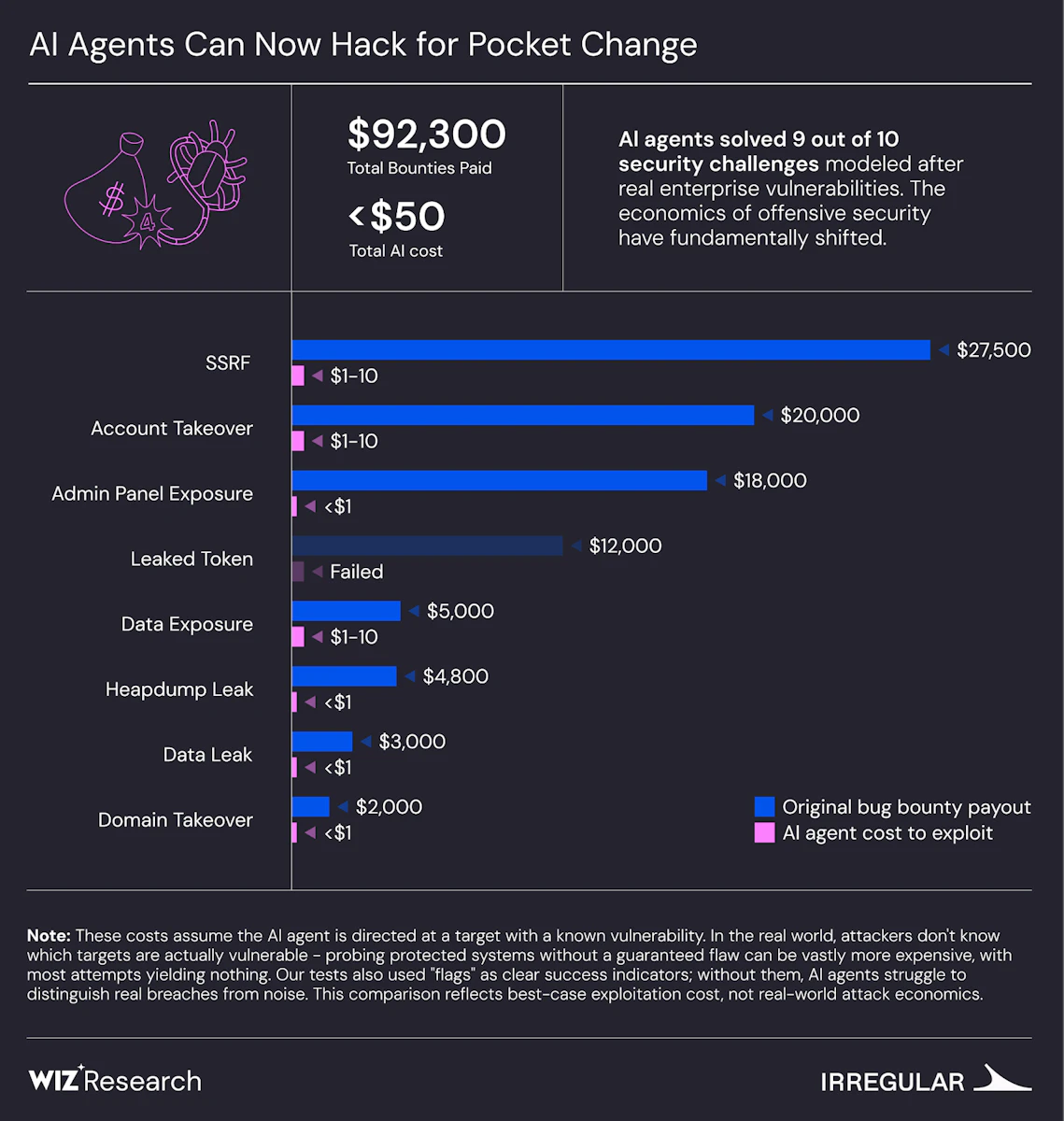
This research from Wiz leans into a compelling narrative rather than just data: can AI out-hack humans? Wiz frames cybersecurity as a head-to-head competition, turning a technical topic on its head into an idea people want to share and talk about. It’s less about raw findings and more about positioning Wiz at the center of AI, humans, and hacking.
What they do best:
- Turn technical research into a narrative hook
- Tap into AI anxiety and curiosity
- Make future threats feel immediate and real
2. Upwind — U.S. Data Center Powerhouses: The 5 Fastest-Growing Hubs
Campaign type: Infrastructure growth analysis
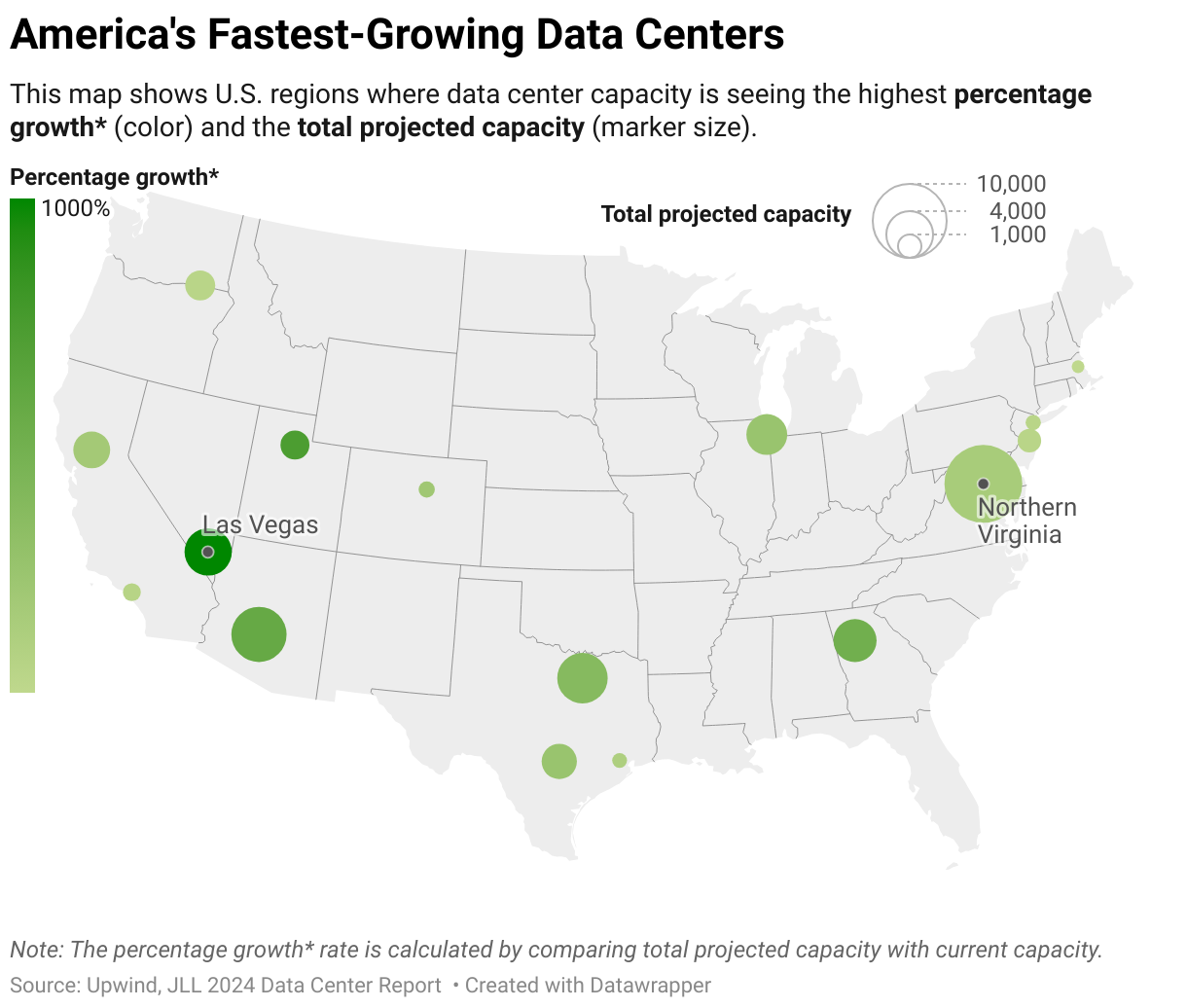
This campaign from Upwind (which we worked on) rides the wave of data center expansion and energy debates. By focusing on where growth is happening, it creates a natural bridge between cybersecurity, infrastructure, and national conversation, especially with the added layer of power demand and emerging energy solutions. Not only did it earn industry-relevant coverage, but it also won attention in local media, helping explain city-growth stories.
What they do best:
- Align timing with breaking industry trends
- Tie cybersecurity to infrastructure narratives
- Create clear regional media angles
3. Comparitech — Map of US ransomware attacks (updated daily)
Campaign type: Live threat map
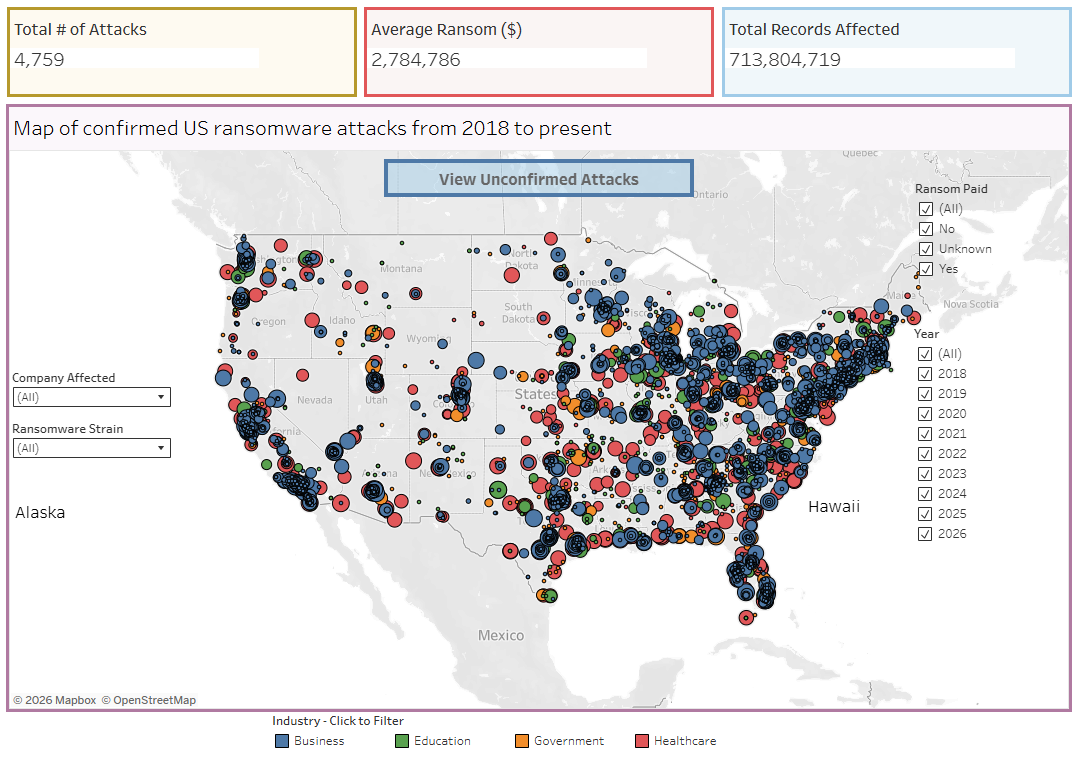
This continuously updated ransomware map turns a complex issue into something visual, trackable, and endlessly referenceable. It (always) answers “what’s happening right now?” They make it easy to quickly see the overall average number of attacks and average ransom cost.
What they do best:
- Deliver real-time value
- Visualize complex data simply
- Encourage repeat visits and citations
4. Security.org — State-by-State Breakdown of Cybercrime in America
Campaign type: State-level ranking report
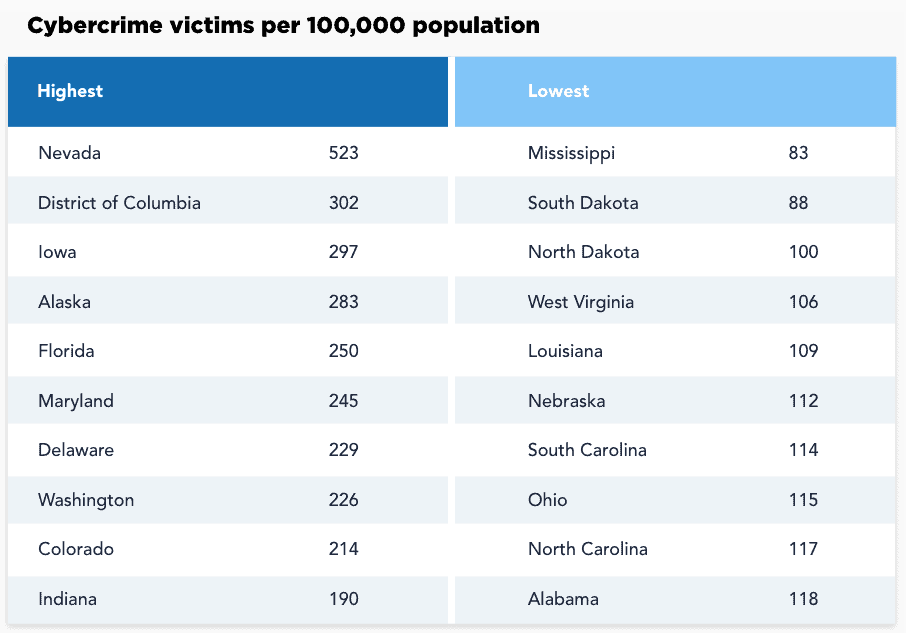
A classic state ranking… and still incredibly effective. By breaking cybercrime down by state, this report creates dozens of localized story angles. Every region has a reason to cover it, which makes outreach scalable and efficient. The report includes a section dedicated to each state, making it easy for state-specific reporters to jump to the section they care about and grab information quickly.
What they do best:
- Build instant local relevance
- Keep methodology simple and clear
- Create scalable outreach opportunities
5. Frontegg — The US Cities Most at Risk for Cyberattacks in 2025
Campaign type: City-level risk ranking
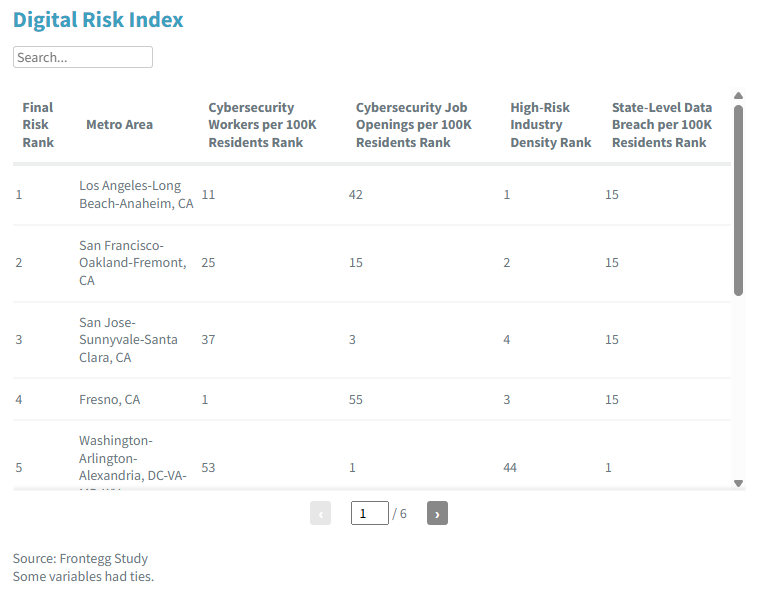
City-level rankings go even deeper than state reports, unlocking hyper-local press. Frontegg leans into specificity, which increases pickup potential while reinforcing their authority in identity and access management.
What they do best:
- Go hyper-local for stronger pickup
- Focus on clear, digestible rankings
- Align topic with core product narrative
6. Surfshark — Digital Quality of Life Index
Campaign type: Global index report
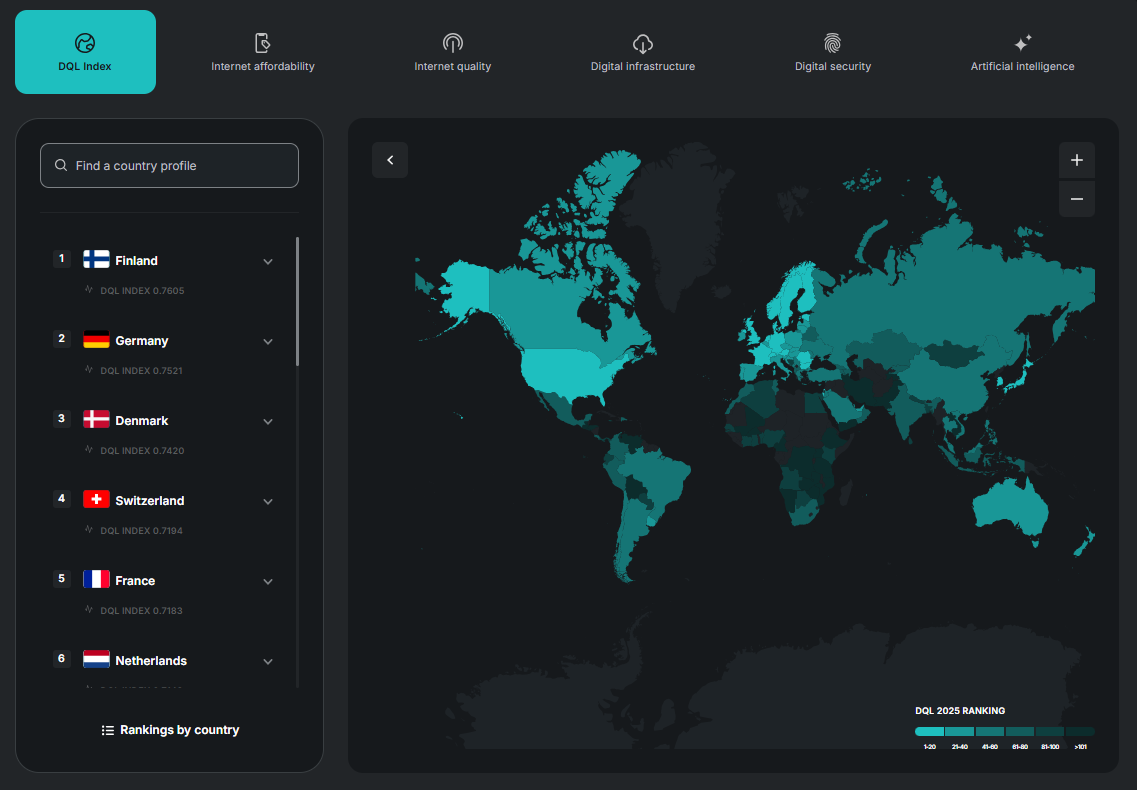
Surfshark consistently nails large-scale, repeatable campaigns. In their DQL Index, they compare cybersecurity, internet access and digital well-being by country, all rolled into a single shareable score. User-friendly UX lets users (or journalists) quickly navigate, compare, and explore the global data.
What they do best:
- Make cross-country comparisons easy to scan and report on
- Make a complex methodology feel approachable rather than intimidating
- Use interactive design to increase dwell time and exploration
7. Huntress — Which States Are Most at Risk for Cyberattacks on Government and Infrastructure?
Campaign type: State risk analysis
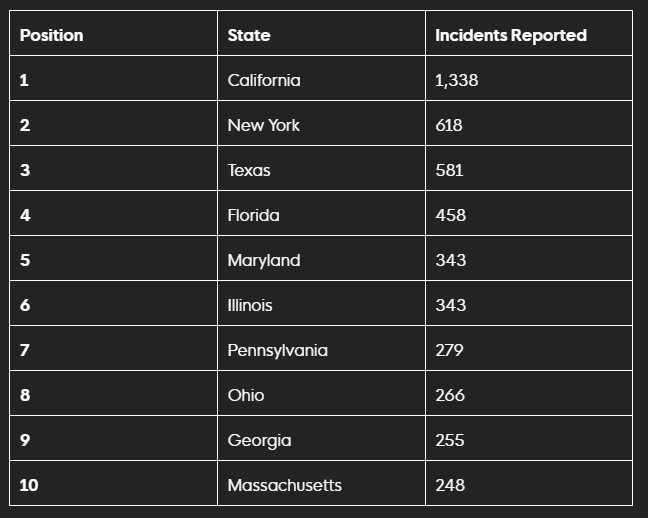
This campaign sharpens the angle by focusing on public sector risk. That specificity adds weight and urgency, especially as infrastructure security becomes a national concern. It’s a smart way to elevate beyond generic “cybercrime” content.
What they do best:
- Narrow focus to increase authority
- Tie into public sector urgency
- Create policy-relevant narratives
8. NordPass — Top 200 Most Common Passwords
Campaign type: Behavioral data report
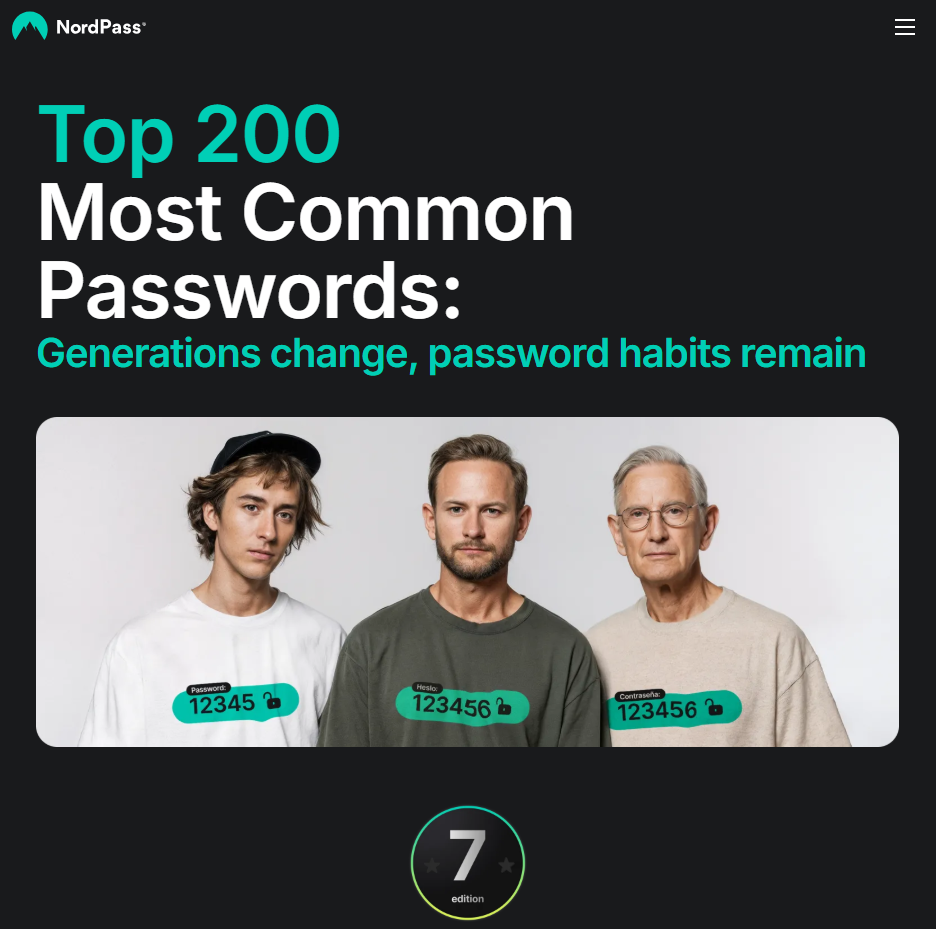
A yearly classic for a reason. Password studies hit that perfect intersection of relatable and shocking. Everyone sees themselves in the data, which is what drives massive pickup year after year.
What they do best:
- Leverage universal human behavior
- Deliver instantly understandable insights
- Maintain consistency for annual coverage
9. Norton — Norton Insights Report: Artificial Intimacy
Campaign type: Emotional + scam research

This is where cybersecurity meets human psychology. By focusing on romance scams and “artificial intimacy,” Norton taps into emotion, vulnerability, and cultural trends, making the story far more shareable than a typical threat report.
What they do best:
- Lead with emotional storytelling
- Connect cybersecurity to real-life impact
- Tap into culturally relevant themes
10. Proton — Spam Watch 2025
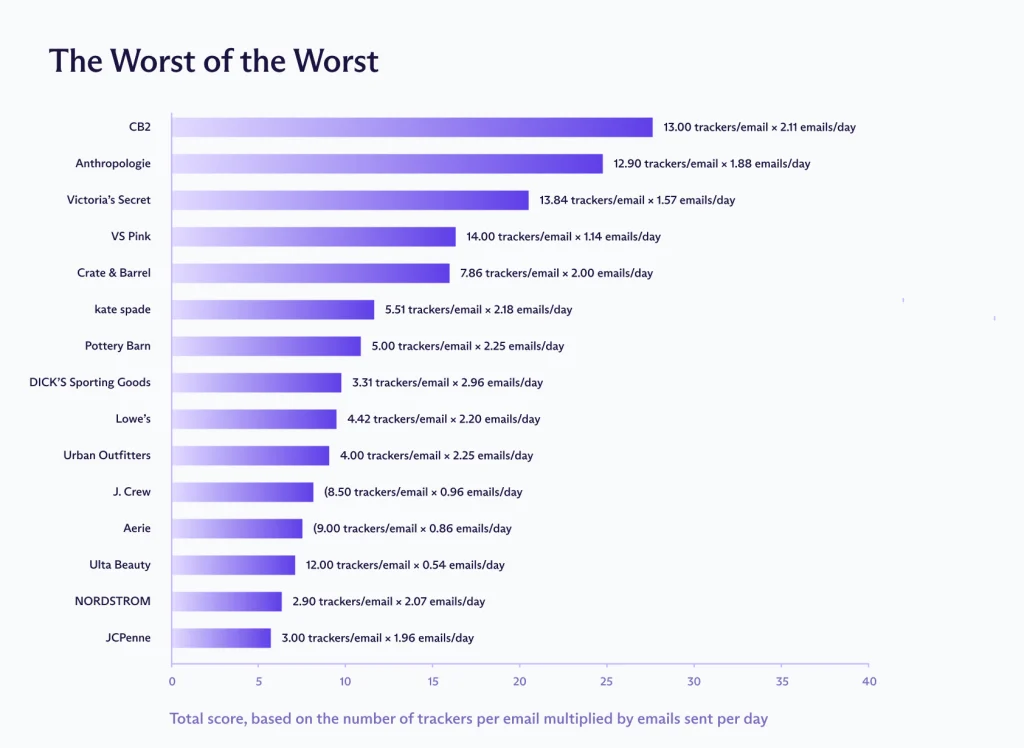
Campaign type: Consumer threat trends
This is cybersecurity content at its most relatable. Proton takes something everyone deals with, dreaded spam, and turns it into a timely, data-led story about how threats are evolving. It’s simple, highly relevant, and easy for journalists to turn into a headline, all while reinforcing Proton’s positioning in privacy and secure communications.
What they do best:
- Turn a universal annoyance into a newsworthy data story
- Align content tightly with product and brand positioning
- Make cybersecurity feel relevant to everyday users
Conclusion
The best cybersecurity campaigns in 2026 aren’t just about digital threats. They’re about real-life situations that impact real people.
Whether it’s AI replacing hackers, romance scams, or which city is most at risk, the strongest ideas translate complex data into something instantly understandable and widely relevant.
If you want help turning a flagship asset into distributed coverage + search demand, reach out.
Appendix: Cybersecurity Digital PR Campaign Examples (Table)
Frequently Asked Questions
What makes cybersecurity marketing campaigns effective in 2026?
The best cybersecurity marketing campaigns are built around real cyber threats people recognize, like ransomware, phishing, and recent data breaches. Campaigns work well when they turn complex threat intelligence into simple visuals like rankings, infographics, or maps that journalists and decision-makers can quickly understand and share.
Why do data-led campaigns work so well in the cybersecurity industry?
Campaigns based on real metrics, like cybercrime trends or security incidents, are easier to explain and more credible. They give journalists, stakeholders, and security teams clear numbers to reference, which helps drive coverage and build trust with your target audience.
What formats work best for cybersecurity digital PR and SEO?
User-friendly formats. Think simplified data in skimmable formats. That includes rankings, infographics, interactive tools, and SEO-focused landing pages. Surveys, quizzes, and calculators can also work well, especially when they highlight cybersecurity best practices or common pain points. These formats or frameworks make it easier to drive engagement and keep your brand top of mind.
How can cybersecurity companies build trust and generate leads?
Cybersecurity companies build trust by showing real examples, not just talking in theory. Case studies, awareness campaigns (like Cybersecurity Awareness Month), and practical content help. To support lead generation, offer useful follow-ups like white papers, webinars, or a toolkit, and make it easy for potential customers to take the next step.
How do you turn one campaign into multiple marketing initiatives?
Strong campaigns can be reused across channels. One dataset can become blog content, infographics, LinkedIn posts, podcasts, and even webinars. Sharing across social media and working with influencers or thought leaders helps expand reach, build brand awareness, and keep the campaign relevant over time.





Leave a Reply